The Peptide AppThe Peptide App

The Peptide AppField Guide · Healing SeriesSpecimen No. 157

Healing Category

BPC-157

THE HEALER

Body Protection Compound-157

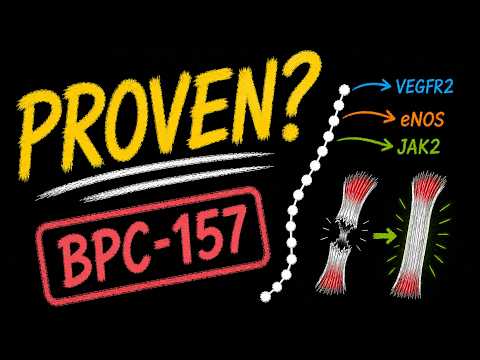
BPC-157 is a stomach-derived peptide that signals tissue to heal faster, especially tendons, ligaments, nerves, and the gut lining, by boosting repair factors and protecting against inflammation and stress.

BPC-157
BPC-157
BPC-157

BPC-157 Evidence Snapshot

How these guides are reviewed
Regulatory status
Not FDA approved · research use only
Dosing guidance
Reviewed by our clinical team
Linked evidence
13 research sources
Content updated
Jul 15, 2026

Dose and schedule recommendations shown below come from The Peptide App Clinical Team. Research links are provided so readers can inspect the supporting evidence directly. Review the sources.

Studied Effects & Mechanisms

Blood Vessel Growth

Creates new blood vessels to deliver nutrients to damaged tissue

Anti-Inflammatory

Calms down swelling and pain signals

Tissue Repair

Speeds up collagen production and cell regeneration

Gut-Brain Connection

Helps heal the gut lining and supports neurotransmitter balance

Origin and history

BPC stands for Body Protection Compound. It was isolated by a research group in Croatia in the 1990s. The body does not make BPC-157 on its own. It makes a much larger protein found in gastric juice, and BPC-157 is a 15-amino-acid fragment of that parent protein. Interest in gut-derived healing compounds is old: the same Pavlov known for his work with dogs also studied gastric juice as a medicine for digestive complaints. BPC-157 was first explored as a treatment for the gut, and its reputation for tendon and muscle repair came later.

Beyond muscle repair

BPC-157 is best known online for tendon, ligament, and muscle recovery, but a lot of the research interest sits in the gut, where it was first studied. People also read about it for general digestive comfort. There is early interest in effects on the gut-brain axis as well, including reports around cravings and mood, though that area is far less studied than its repair effects.

What makes it unusual

A few things set BPC-157 apart. It has no known receptor, so researchers think it may work by adjusting proteins the body already makes rather than by hitting a single target. It appears to promote repair rather than simply block inflammation, often described as pressing the gas pedal on the body's own healing. In one tendon model it increased the number of growth-hormone receptors on the tissue, which could help the tendon respond to growth signals. In animal studies it also supported healing even when corticosteroids, which usually slow healing, were given at the same time.

Injected vs oral

BPC-157 is taken either by injection or orally, and the difference matters more than it might seem. Taken orally, it has generally not been detectable in the bloodstream, which suggests it may act locally in the gut rather than travel through the body. Injected BPC-157 does reach the wider system. This is why oral forms are usually associated with gut goals and injectable forms with tendon or muscle goals. This is background, not a recommendation.

Clinical & Research Context

Athletes recovering from sports injuries
People with chronic tendon issues (tennis elbow, Achilles)
Anyone dealing with gut problems (IBS, leaky gut)
Post-surgery recovery
Joint pain and inflammation sufferers

State of the evidence

BPC-157 has a long research history, and its tolerability record is a standout. In animal studies no lethal dose has been found even at very high amounts, and it is widely regarded as one of the most well tolerated peptides. Most of the research is in animals, and a large share of that work traces to a single Croatian research group, with some replication by others. Formal human trials are still limited, the main example being a small set of early trials using BPC-157 for a gut condition. The honest summary is a compound with an excellent tolerability record and a deep body of animal data, alongside a small amount of formal human research.

Legal and regulatory status

BPC-157 has not been approved by the FDA. In late 2024 it was placed on an FDA list that restricts pharmacy compounding, alongside a number of other peptides. It is sometimes sold under the name PDA, short for pentadecapeptide arginate, which is the same compound in a different salt form. It also appears on anti-doping watch lists, so athletes in tested sports should be aware of it. Rules in this area are changing quickly, so treat any status as a snapshot in time.

Further listening

4 recordings

Commonly Stacked With

Research-Market Price Snapshot

A compact market signal for this profile. The dedicated pricing page owns vendor, vial-size, and price-per-mg comparisons.

Updated Jul 16, 2026

Vendors
60
Listings
88
Observed range
$20$450
Compare all BPC-157 prices →

BPC-157 Research

Live PubMed intelligence from the research crawler

PMID 39325560HumanRelevance 85Extracted

Effect of BPC-157 on Symptoms in Patients with Interstitial Cystitis: A Pilot Study.

Alternative therapies in health and medicine · Oct 1, 2024

CONTEXT: Moderate to severe interstitial cystitis (also known as bladder pain syndrome) is a disabling disease with no effective treatment. Although pentosan polysulfate is an approved treatment for interstitial cystitis, some patients on this medication experience treatment failure after one year, and its long-term use has been linked to pigmentary maculopathy. The peptide Body Protective Compound 157 (BPC-157) is a possible treatment for interstitial cystitis but is currently not approved by the US Food and Drug Administration. OBJECTIVE: To assess the safety and efficacy of BPC-157 manufactured by a 503A compounding pharmacy as a treatment for interstitial cystitis. PARTICIPANTS: Twelve women between the ages of 39 and 76 years with a mean age of 58.3 years participated in this trial at a private clinic. Of these, 10 were White, one was Asian, and one was Latina. None of the 12 women had responded to pentosan polysulfate. METHODS: The women underwent cystoscopy and were treated with injections of the peptide BPC-157 (total of 10 mg) around the area of inflammation of the bladder during a single procedure. Global Response Assessment questionnaire was given to all the subjects to assess the efficacy of BPC-157. RESULTS: Complete resolution of symptoms after one treatment was reported in 10 of 12 patients, who rated their success at 100%. The remaining 2 of 12 patients rated their success at 80%, with most symptoms resolved but about 20% of their symptoms lingering. No one dropped out of the study, and no adverse events were reported. This therapy was successful because all 12 patients scored a 5/5 on the Global Response Assessment. CONCLUSION: This is the first report of intravesical BPC-157 (10 mg) injection to help patients with moderate to severe interstitial cystitis who did not respond to pentosan polysulfate treatment.

Dosing evidenceSafety evidenceEfficacy evidence
PMID 40756949Meta AnalysisRelevance 80Extracted

Emerging Use of BPC-157 in Orthopaedic Sports Medicine: A Systematic Review.

HSS journal : the musculoskeletal journal of Hospital for Special Surgery · Jul 31, 2025

Background: Body protection compound-157 (BPC-157) is a naturally occurring gastric peptide that promotes mucosal integrity and homeostasis. Preclinical studies show its potential for promoting healing in musculoskeletal injuries such as fractures, tendon ruptures, ligament tears, and muscle injuries. Despite lacking US Food and Drug Administration approval and its use being banned in professional sports, it is increasingly used by clinicians and athletes. Purpose: We sought to (1) provide a comprehensive synthesis of the BPC-157 literature from an orthopedic sports medicine perspective and (2) elucidate the mechanism of action, musculoskeletal effects, metabolism, and safety profile. Methods. We conducted a systematic review of English-language literature, published from database inception to June 3, 2024, from PubMed, Cochrane, and Embase. We searched PROSPERO to identify any current or unpublished reviews. Studies reporting BPC-157's mechanism, musculoskeletal outcomes, metabolism, and safety were included. Articles were screened in 3 phases by 2 reviewers. In cases of a disagreement between the 2 reviewers, blinding was removed, and eligibility was determined by group consensus, with a third author making the final decision. Results. A total of 544 articles from 1993 to 2024 were identified. After duplicates were removed, 36 studies were included (35 preclinical studies, 1 clinical study). The studies suggest that BPC-157 enhances growth hormone receptor expression and several pathways involved in cell growth and angiogenesis, while reducing inflammatory cytokines. In preclinical models, BPC-157 improved functional, structural, and biomechanical outcomes in muscle, tendon, ligament, and bony injuries. In a retrospective study of musculoskeletal pain following intraarticular injection of BPC-157 for unspecified chronic knee pain, 7 of 12 patients reported relief for >6 months. BPC-157 is metabolized in the liver, with a half-life of less than 30 minutes, and is cleared by the kidneys. Preclinical safety studies showed no adverse effects across several organ systems. No clinical safety data were found. Conclusion: This systematic review of level IV and level V studies suggests that BPC-157 shows promise for promoting recovery from musculoskeletal injuries. Adverse effects are possible due to unregulated manufacturing, contamination, or unknown clinical safety. We recommend that clinicians counsel athletes to understand their organizations' rules to remain compliant with medication/supplement safety and testing standards.

Safety evidenceEfficacy evidence
PMID 40789979HumanRelevance 80Extracted

Regeneration or Risk? A Narrative Review of BPC-157 for Musculoskeletal Healing.

Current reviews in musculoskeletal medicine · Dec 1, 2025

PURPOSE OF REVIEW: This scoping review aims to evaluate the molecular mechanisms, therapeutic potential, and safety concerns of Body Protective Compound-157 (BPC-157) in the context of musculoskeletal healing. Given the compound’s increasing availability, popularity, and its regulatory controversies, we sought to assess the breadth and quality of preclinical and clinical data supporting its use in musculoskeletal medicine. RECENT FINDINGS: BPC-157 is a synthetic pentadecapeptide originally isolated from gastric juice and has demonstrated regenerative properties across numerous animal models. It activates several overlapping pathways, notably VEGFR2 and nitric oxide synthesis via the Akt-eNOS axis, promoting angiogenesis, fibroblast activity, and neuromuscular stabilization. It also engages ERK1/2 signaling, facilitates endothelial and muscle repair, and exerts anti-inflammatory effects. These effects promote angiogenesis, fibroblast activity, and neuromuscular stabilization, particularly in poorly vascularized tissues such as tendons and myotendinous junctions. Despite broad preclinical support, human data are extremely limited. Only three pilot studies have examined BPC-157 in humans, including its use for intraarticular knee pain, interstitial cystitis, and intravenous safety/pharmacokinetics. No adverse effects were reported, but rigorous, large-scale trials are lacking. SUMMARY: BPC-157 demonstrates robust regenerative and cytoprotective effects in preclinical studies, positioning it as a potentially valuable tool in musculoskeletal medicine. Despite its growing popularity among athletes and its wide availability through non-regulated sources, there is minimal human data available. Until well-designed clinical trials are conducted, BPC-157 should be considered investigational, and its use approached with caution. This review highlights that given the robust preclinical evidence and high public interest, there is a critical need for well-designed human trials to assess the safety, efficacy, and clinical utility of BPC-157 in musculoskeletal medicine.

Safety evidenceEfficacy evidence
PMID 42198317Meta AnalysisRelevance 72Extracted

Background/Objectives: BPC-157 (body protection compound 157) is a synthetic pentadecapeptide derived from a gastric protein fragment with reported cytoprotective and regenerative properties across multiple organ systems. Despite over three decades of preclinical research demonstrating consistent biological activity, its pharmaceutical development remains rudimentary, with no approved formulation, no validated dosing regimen, and no completed Phase II clinical trial. This review critically evaluates BPC-157 from a biopharmaceutical and drug development perspective, examining its physicochemical and pharmacokinetic properties, formulation challenges across routes of administration, the pharmacokinetic-pharmacodynamic disconnect that characterizes its preclinical profile, and the regulatory and translational barriers that currently preclude clinical advancement. Methods: A narrative review of the literature was conducted using PubMed/MEDLINE, Embase, and Cochrane Library from database inception to April 2026. Search terms included "BPC-157", "BPC157", "body protection compound 157", "pentadecapeptide", and "GEPPPGKPADDAGLV", each combined with "pharmacokinetics", "formulation", "biopharmaceutics", "drug delivery", "clinical trial", "toxicology", and "regulatory". Patent databases (Espacenet, Google Patents) and regulatory agency websites (FDA, EMA, WADA) were searched independently. Searches were supplemented by forward and backward citation tracking of key references. Articles were selected based on relevance to biopharmaceutical characterization, pharmacokinetics, formulation science, clinical evidence, and regulatory status; pharmacodynamic studies were included insofar as they inform translational development. Evidence was synthesized with emphasis on pharmaceutical characterization, formulation science, and translational feasibility; no formal quality assessment instrument was applied, consistent with the narrative review design. Results: BPC-157 exhibits unusual stability in gastric juice and demonstrates activity via oral, parenteral, and topical routes, yet its human pharmacokinetic profile remains critically undercharacterized despite a recently published formal preclinical ADME study in two species confirming a sub-30-min plasma half-life, linear dose-proportional kinetics, and intramuscular bioavailability of 14-51% depending on species. A plasma half-life of under 30 min-confirmed preclinically and in a preliminary two-subject human pilot-contrasts with prolonged biological effects lasting hours to days-a disconnect with significant implications for dosing strategy and formulation design. No pharmaceutical-grade formulation has been developed or validated. The peptide lacks bcs classification data, permeability characterization, and formal excipient compatibility studies. Available clinical data derive from fewer than 30 subjects across three uncontrolled pilot studies, none of which employed standardized pharmaceutical preparations. Conclusions: BPC-157 presents a compelling but pharmaceutically underdeveloped profile. The primary barrier to clinical translation is not the absence of biological activity, but the absence of fundamental pharmaceutical science: characterized formulations, validated pharmacokinetics, and a coherent drug development strategy. Addressing these biopharmaceutical gaps is a prerequisite for any meaningful clinical program.

Efficacy evidence
PMID 12781609HumanRelevance 71Extracted

Corticosteroid-impairment of healing and gastric pentadecapeptide BPC-157 creams in burned mice.

Burns : journal of the International Society for Burn Injuries · Jun 1, 2003

The amelioration of corticosteroid-impairment of healing by a stable gastric pentadecapeptide BPC-157 (GEPPPGKPADDAGLV, M(w) 1419, currently in early clinical trials for inflammatory bowel disease) was studied in thermally injured mice. Its effects on corticosteroid impaired healing of deep partial skin thickness burns, and burn-gastric lesions were investigated. Male NMRI-Hannover mice (sacrificed at 1-3,7,14 and 21 days following burning 20% of total burn area at the back (open flame for 7s) received intraperitoneally (per kg bw) 6alpha-methylprednisolone (Depo-medrol, 1.0 or 10.0mg), or an equal volume of saline (5.0 ml), once daily, first application 30 min after injury, last 24h before sacrifice. The injury was subsequently treated by topical application of a thin layer of pentadecapeptide BPC-157 cream at three different levels a neutral cream of no treatment. Pentadecapeptide BPC-157 consistently improved given burn healing (both microscopical and tensionmetry assessment), and counteracted corticosteroid-impairment of burn healing. In burn-gastric lesions investigation of the effects of BPC showed an anti-ulcer effect of its own in burned non-corticosteroid-treated mice and potentiated the anti-ulcer effect observed in 6alpha-methylprednisolone-treated mice. Pentadecapeptide BPC-157 inhibited corticosteroid immunosuppression. In vitro, in spleenic cells assessment, animals (sacrificed at day 21) treated with 6alpha-methylprednisolone 1mg showed decreased reactivity to nitrogen in comparison with control, healthy animals, while the addition of BPC-157 (1 microg/g cream) returned cell reactivity to values noted in control healthy animals.

Dosing evidenceEfficacy evidence
PMID 40131143HumanRelevance 66Extracted

Safety of Intravenous Infusion of BPC157 in Humans: A Pilot Study.

Alternative therapies in health and medicine · Sep 1, 2025

BACKGROUND: For years, the peptide Body Protection Compound 157 (BPC-157) has been used to treat partial muscle or tendon tears. Few studies on humans have been published, with none on the intravenous use of BPC-157 in humans. OBJECTIVE: This IRB-approved study was conducted to assess whether intravenous BPC-157 is safe in humans. METHODS: Baseline blood work and vital signs were obtained from 2 participants before and after each infusion. On day 1, 10 mg of BPC-157 in 250 cc of normal saline was infused over one hour. On day 2, fasting blood work was repeated, vital signs were recorded, and 20 mg of BPC-157 in 250 cc of normal saline was infused over one hour. On day 3, fasting blood work and vital signs were repeated. Patients were questioned about any side effects at each appointment. SETTING: This study was performed at a private clinic in Florida. PARTICIPANTS: Two patients participated: a 58-year-old Asian male and a 68-year-old Caucasian female, each of whom had received intravenous BPC-157 before this trial. RESULTS: The infusions of BPC-157 resulted in no measurable effects on the tested biomarkers of the heart, liver, kidneys, thyroid, or blood glucose levels. The BPC-157 peptide infusion was tolerated, with no side effects reported. CONCLUSION: Intravenous infusion of up to 20 mg of BPC-157 in 2 healthy adults showed no adverse effects and was well-tolerated. The results of this pilot study showed the safety of BPC-157 in humans. Future studies are also needed to confirm the safety of intravenous BPC-157 in humans.

Dosing evidenceSafety evidenceEfficacy evidence

BPC-157 — Frequently Asked Questions

What is BPC-157?

BPC-157 (Body Protection Compound-157) is a synthetic peptide of 15 amino acids based on a sequence identified in human gastric juice. It is studied in preclinical research for tissue repair and is sold only as a research chemical, not as an approved medicine.

What does BPC-157 do?

In animal (preclinical) studies, BPC-157 has been investigated for effects on tendon, ligament, muscle, and gut-lining healing and on the formation of new blood vessels (angiogenesis). Its effects in humans have not been established by controlled clinical trials.

Is BPC-157 FDA approved?

No. The U.S. Food and Drug Administration has not approved BPC-157 for any medical use. In 2023 the FDA identified BPC-157 as a bulk drug substance with potential safety risks, which limited its use in pharmacy compounding.

Is BPC-157 legal?

BPC-157 is not a controlled substance in the United States, but it is not an approved drug or dietary supplement either. It is typically sold labeled "for research use only," and its regulatory status varies by country.

Is BPC-157 banned in sport?

Yes. The World Anti-Doping Agency (WADA) lists BPC-157 as a prohibited substance under category S0 (non-approved substances), meaning it is banned at all times for athletes subject to anti-doping testing.

How is BPC-157 taken?

In research settings BPC-157 is usually reconstituted with bacteriostatic water and given by subcutaneous injection, though oral forms have also been studied. No human dose is established, so this is not a dosing recommendation.

Convert a target amount into syringe units with the BPC-157 reconstitution calculator

What is BPC-157 often compared to?

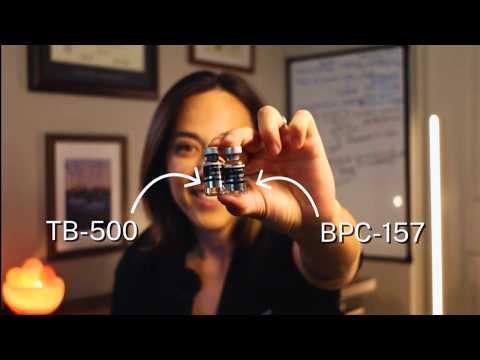
BPC-157 is frequently discussed alongside TB-500, another peptide studied for recovery in preclinical research. The two are sometimes referenced together, but they are distinct compounds with different sequences and study histories.

See the BPC-157 vs TB-500 comparison

Where can you find BPC-157 vendor prices?

The Peptide App tracks observed BPC-157 vendor listings by vial size, total price, and price per milligram. Prices reflect what vendors publish and change frequently.

Browse current BPC-157 research-vendor listings

Related Peptides

TB-500

THE REGENERATOR
BGood
Accelerated Healing · Anti-InflammatoryHealing · Accelerated HealingDose1.5 mgCycle4-8 weeks on, 4 weeks offKicks inHealing improvements often noticed within...

Promotes new blood vessel growth and reduces inflammation for stubborn injuries.

from $2.97/mg · 98 vendorsNº 005 / 006

KPV

THE INFLAMMATION ERASER
AHigh
Antimicrobial & Antiviral · Accelerated HealingHealing · Antimicrobial & AntiviralDose500 mcgCycle4-8 weeks or as neededKicks inInflammation reduction often noticed within...

Anti-inflammatory tripeptide for gut healing and skin

from $1.60/mg · 73 vendorsNº 004 / 006

GHK-Cu

THE RESTORER
AHigh
Accelerated Healing · Neurological SupportHealing · Accelerated HealingDose500 mcgCycleVariable - topical ongoing, injectable cycledKicks inSkin improvements within 2-4 weeks; hair...

Turn back the clock on your skin, hair, and body.

from $0.04/mg · 120 vendorsNº 002 / 006

Tesamorelin

THE BELLY FAT MELTER
BGood
Hormonal Regulation · Anti-Aging & LongevityMetabolic · Hormonal RegulationDose2 mgCycle3-6 months on, then as prescribedKicks inVisceral fat reduction typically visible...

FDA-approved GHRH analog that melts visceral fat

from $3.90/mg · 79 vendorsNº 006 / 006

CJC-1295 (no DAC)

THE GH SUSTAINER
BGood
Growth Hormone & Musculoskeletal Support · Anti-Aging & LongevityHealing · Growth Hormone & Musculoskeletal SupportDose100 mcgCycle8 weeks on, 8 weeks offKicks inSleep improvements within 1-2 weeks; body...

Long-acting growth hormone releaser for muscle, recovery and anti-aging

from $3/mg · 74 vendorsNº 001 / 006

Ipamorelin

THE AMPLIFIER
AHigh
Growth Hormone & Musculoskeletal Support · Anti-Aging & LongevityHealing · Growth Hormone & Musculoskeletal SupportDose200 mcgCycle8-12 weeks on, 4 weeks offKicks inSleep improvements within days; body...

Pure growth hormone boost without the unwanted side effects.

from $2.70/mg · 79 vendorsNº 003 / 006