The Peptide AppThe Peptide App

The Peptide AppField Guide · Healing SeriesField Specimen

Healing Category

KPV

THE INFLAMMATION ERASER

Lysine-Proline-Valine

KPV is a short anti-inflammatory peptide (a fragment of alpha-MSH) that calms gut and skin inflammation while promoting healing. It's popular for IBD, colitis, and inflammatory skin conditions.

KPV
KPV
KPV

KPV Evidence Snapshot

How these guides are reviewed
Regulatory status
Not FDA approved · research use only
Dosing guidance
Reviewed by our clinical team
Linked evidence
10 research sources
Content updated
Jul 15, 2026

Dose and schedule recommendations shown below come from The Peptide App Clinical Team. Research links are provided so readers can inspect the supporting evidence directly. Review the sources.

Quick Answers About KPV

Is KPV FDA approved?

No. This profile records KPV as not FDA approved and for research use only.

More context

Review the regulatory and source details on this page for the current context.

What dose does The Peptide App Clinical Team recommend for KPV?

Dose: 200-500 mcg daily (injectable or oral for gut).

More context

Schedule: daily. Cycle: 4-8 weeks or as needed. This is clinical-team guidance for reference and does not replace individualized instructions from a licensed clinician.

What research supports this KPV guide?

This guide links to 10 curated or current research sources.

More context

Open the research section to inspect the source titles, publication details, study types, and available abstracts directly.

Review the KPV research sources

Studied Effects & Mechanisms

Anti-Inflammatory

Suppresses pro-inflammatory cytokines through NF-κB inhibition

Gut Healing

Supports mucosal healing in inflammatory bowel conditions

Wound Repair

Promotes resolution of inflammation and tissue healing

Origin and history

KPV is a tripeptide, meaning it is made of just three amino acids: lysine, proline, and valine, which is where the name comes from. It is the C-terminal fragment of alpha-melanocyte-stimulating hormone (alpha-MSH), a signaling hormone the body produces that helps regulate skin pigmentation, appetite, and immune activity. Researchers noticed that this short tail sequence carried much of alpha-MSH's calming, anti-inflammatory activity without the part of the parent hormone responsible for pigment and appetite effects. That observation, explored in cell and animal studies going back decades, is what drew interest to KPV as a standalone anti-inflammatory peptide. It shares a parent molecule with Melanotan II but acts through entirely different targets, so it does not cause the skin darkening associated with that compound.

What people look into it for

The most discussed use is gut inflammation, and much of the preclinical research centers on models of inflammatory bowel disease such as colitis. Beyond the gut, people explore it for broader inflammatory and autoimmune-adjacent complaints, including food sensitivities, bloating, and stress-linked IBS-type symptoms, often alongside dietary changes rather than as a replacement for them. It is also used for inflammatory skin conditions like eczema, psoriasis, and rosacea, where it can be applied as a topical cream in addition to oral or injected use. Some practitioners discuss it for mast cell activation syndrome, typically starting very low and increasing slowly. KPV is a component of the popular multi-peptide CLOVE blend and is frequently paired with BPC-157 for gut-focused protocols, though enthusiasts note it can also stand on its own.

What makes it unusual

KPV works inside the cell rather than at a surface receptor. Its main action is interfering with NF-kappaB, a protein that acts as a master switch for turning on inflammatory genes; KPV competes for the importin transport protein that normally ferries NF-kappaB into the nucleus, so the switch cannot reach the DNA to fire. A 2012 study reportedly visualized this blockade directly using fluorescent-tagged proteins. What sets KPV apart from steroids like prednisone is that instead of broadly suppressing immunity, work in the Journal of Leukocyte Biology suggested it can actually enhance immune cells' ability to kill bacteria while it dampens inflammatory signaling. There is also an intriguing gut-targeting idea: the PepT1 transporter, which KPV binds with unusually high affinity, is largely absent from a healthy colon but appears in inflamed tissue, which in theory could concentrate KPV where it is needed, though this selective accumulation has not yet been directly measured in a living organism.

How it is administered

Reported protocols describe two main systemic routes plus a topical option. For gut-focused use, oral dosing is common because it places the peptide directly into the GI tract where PepT1 can absorb it; however, being a very small tripeptide, KPV is partly broken down by digestive enzymes, which is why several research groups have spent years developing nanoparticle delivery systems and why oral amounts are described as higher than injected ones. For systemic inflammation or skin concerns, subcutaneous injection is described as giving higher bioavailability by bypassing digestion. For localized skin conditions, a compounded topical cream is sometimes combined with oral or subcutaneous use for both local and whole-body effect. One practical note raised in the material: because drugs such as ACE inhibitors and certain antibiotics use the same PepT1 transporter, oral KPV could theoretically compete with their absorption, which is a point to raise with a physician.

Clinical & Research Context

People with inflammatory bowel disease
Those with autoimmune conditions
Anyone needing wound healing support
People with inflammatory skin conditions
Gut health optimizers

State of the evidence

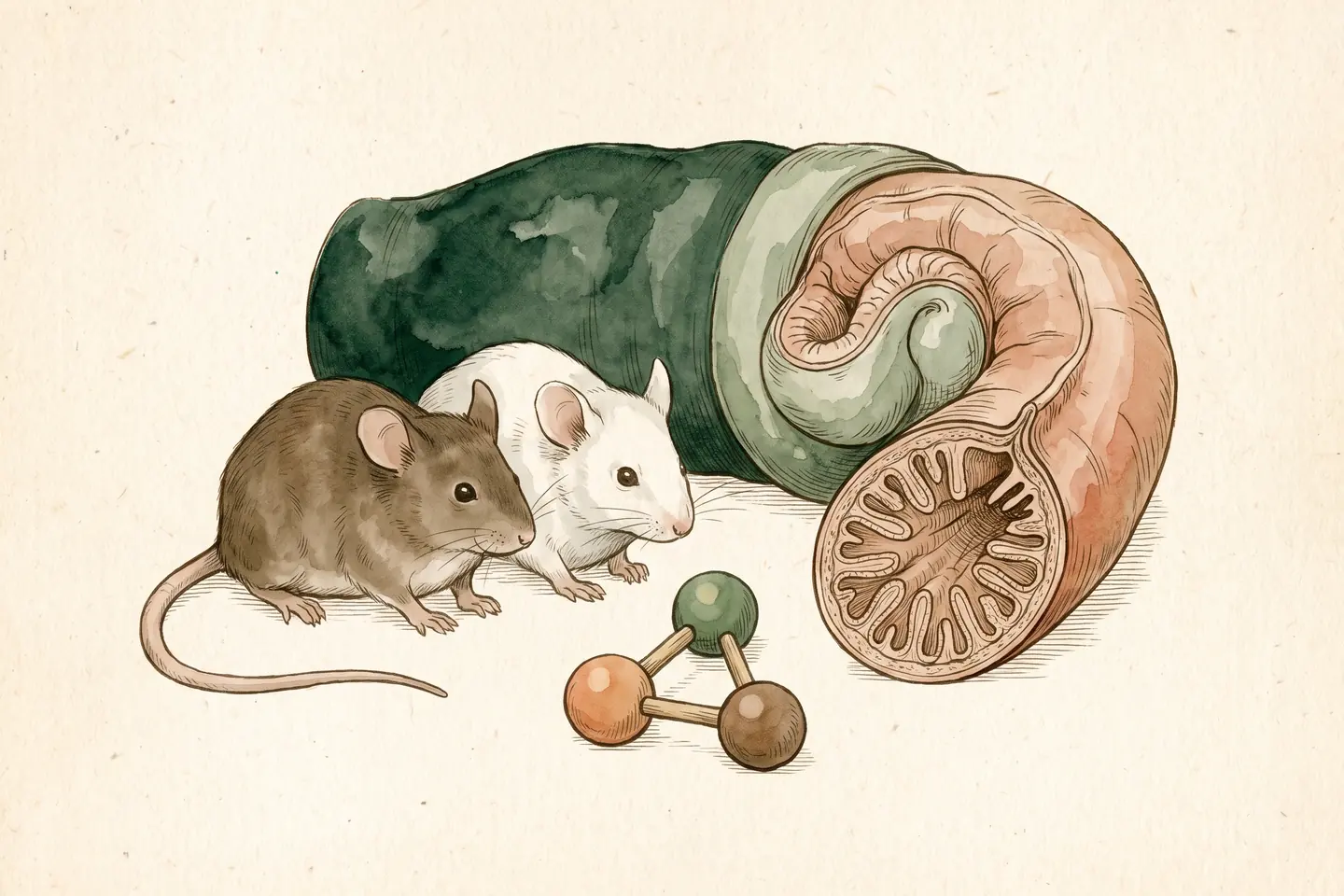
The evidence base for KPV is almost entirely preclinical. Every study commonly cited comes from cell culture or animal models, with roughly six separate studies showing benefit in animal models of gut inflammation, and there are no human clinical trials, no human dosing studies, and no long-term or formal safety data. The FDA has stated there is no human exposure data for this peptide. The underlying mechanism is well characterized and has been reproduced by multiple independent groups, including experiments in mice genetically lacking melanocortin receptors where KPV still resolved severe colitis, which strengthens confidence in how it works even if human efficacy is unproven. It is worth flagging that one reviewer found another prominent KPV video citing cardiovascular studies with fabricated authors, papers, and journals, a reminder to treat online claims skeptically. Reported benefits in the community are anecdotal, often describing gradual improvement over several weeks, and KPV is frequently described as very well tolerated, though the absence of formal toxicology data means that reputation is not the same as proof.

Legal and regulatory status

KPV is not an FDA-approved drug and has no approved human indication. It is generally obtained either through compounding pharmacies and hormone clinics, which offer more quality control and oversight at higher cost, or through research-peptide suppliers at lower cost and without medical vetting. Its regulatory position is actively in flux: the FDA's Pharmacy Compounding Advisory Committee has taken up peptides in this category, including BPC-157 and TB-500, and its decisions could change whether and how KPV can be compounded. Because these rules can shift quickly, current sourcing and legality should be verified rather than assumed. Anyone considering it should treat it as an experimental compound and consult a licensed physician.

Further listening

3 recordings

Commonly Stacked With

Research-Market Price Snapshot

A compact market signal for this profile. The dedicated pricing page owns vendor, vial-size, and price-per-mg comparisons.

Updated Jul 16, 2026

Vendors
53
Listings
60
Observed range
$28$320
Compare all KPV prices →

KPV Research

Live PubMed intelligence from the research crawler

PMID 34846053HumanRelevance 81Extracted

The self-healing of chemotherapy-induced oral mucositis is difficult in practice because of both local bacterial infection and severe inflammation. Herein, in situ mucoadhesive hydrogels (PPP_E) were successfully prepared by using temperature-sensitive PLGA-PEG-PLGA (PPP) as a matrix and epigallocatechin-3-gallate (EGCG) with inherent antibacterial activity as an adhesion enhancer. A series of PPP_E precursor solutions with various EGCG concentrations (1%, 2% and 5%) were prepared by fixing the PPP concentration at 25%. EGCG slightly decreased the sol-gel transition temperature and shortened the sol-gel transition time of the PPP hydrogel. Moreover, the incorporation of EGCG could significantly increase the tissue adhesion properties of the PPP hydrogel at 37 °C. PPP_2%E displayed a suitable gelation temperature (36.2 °C), gelation time (100 s) and storage modulus (48 Pa). Tripeptide KPV as a model drug was easily dissolved in cold PPP_2%E precursor solution to prepare KPV@PPP_2%E hydrogel. The anti-inflammatory activity and promotion of cell migration potential by KPV in PPP-2% E hydrogel were well maintained. Moreover, KPV@PPP_2%E exhibited strong antibacterial efficacy against S. aureus. PPP_2%E precursor solution rapidly transformed to a hydrogel and adhered to the wound surface for 7 hours when administrated to the gingival mucosa of rats. Treatment with KPV@PPP_2%E hydrogel greatly improved the food intake and body weight recovery of rats with chemotherapy-induced oral mucositis. Moreover, the tissue morphology of the ulcerated gingiva after application of KPV@PPP_E hydrogel was also well repaired by promoting CK10 and PCNA expression. In addition, the inflammatory cytokines including IL-1β and TNF-α were significantly inhibited by KPV@PPP_2%E hydrogel while IL-10 was up-regulated. KPV@PPP_2%E hydrogel also had an anti-bacterial effect on MRSA-infected gingival ulcer wounds, which resulted in the obvious inhibition of infiltration by inflammatory cells into submucosal tissues. Conclusively, KPV@PPP_E may be a promising practical application for cancer patients with chemotherapy-induced oral mucositis.

Dosing evidenceSafety evidenceEfficacy evidence
PMID 39252648AnimalRelevance 73

Cardiovascular disease (CVD) is a leading cause of death globally, and vascular calcification (VC) is an important independent risk factor for predicting CVD. Currently, there are no established therapeutic strategies for the treatment of VC. Although recognized combination therapies of nanomedicines can provide effective strategies for disease treatment, the clinical application of nanomedicines is limited because of their complex preparation processes, low drug loading rates, and unpredictable safety risks. Thus, developing a simple, efficient, and safe nanodrug to simultaneously regulate inflammation and autophagy may be a promising strategy for treating VC. Herein, an anti-inflammatory peptide (lysine-proline-valine peptides, KPV) and the autophagy activator rapamycin (RAPA) are self-assembled to form new carrier-free spherical nanoparticles (NPs), which shows good stability and biosafety. In vivo and in vitro, KPV-RAPA NPs significantly inhibit VC in mice compared to the other treatment groups. Mechanistically, KPV-RAPA NPs inhibit inflammatory responses and activated autophagy. Therefore, this study indicates that the new carrier-free KPV-RAPA NPs have great potential as therapeutic agents for VC combination therapy, which can promote the development of nanodrugs for VC.

PMID 28143741AnimalRelevance 72

Overcoming adverse effects and selectively delivering drug to target cells are two major challenges in the treatment of ulcerative colitis (UC). Lysine-proline-valine (KPV), a naturally occurring tripeptide, has been shown to attenuate the inflammatory responses of colonic cells. Here, we loaded KPV into hyaluronic acid (HA)-functionalized polymeric nanoparticles (NPs). The resultant HA-KPV-NPs had a desirable particle size (∼272.3 nm) and a slightly negative zeta potential (∼-5.3 mV). These NPs successfully mediated the targeted delivery of KPV to key UC therapy-related cells (colonic epithelial cells and macrophages). In addition, these KPV-loaded NPs appear to be nontoxic and biocompatible with intestinal cells. Intriguingly, we found that HA-KPV-NPs exert combined effects against UC by both accelerating mucosal healing and alleviating inflammation. Oral administration of HA-KPV-NPs encapsulated in a hydrogel (chitosan/alginate) exhibited a much stronger capacity to prevent mucosa damage and downregulate TNF-α, thus they showed a much better therapeutic efficacy against UC in a mouse model, compared with a KPV-NP/hydrogel system. These results collectively demonstrate that our HA-KPV-NP/hydrogel system has the capacity to release HA-KPV-NPs in the colonic lumen and that these NPs subsequently penetrate into colitis tissues and enable KPV to be internalized into target cells, thereby alleviating UC.

PMID 27458604HumanRelevance 70Extracted

BACKGROUND AND AIMS: The human intestinal peptide transporter 1, hPepT1, is expressed in the small intestine at low levels in the healthy colon and upregulated during inflammatory bowel disease. hPepT1 plays a role in mouse colitis and human studies have demonstrated that chronic intestinal inflammation leads to colorectal cancer (colitis-associated cancer; CAC). Hence, we assessed here the role of PepT1 in CAC. METHODS: Mice with hPepT1 overexpression in intestinal epithelial cells (TG) or PepT1 (PepT1-KO) deletion were used and CAC was induced by AOM/DSS. RESULTS: TG mice had larger tumor sizes, increased tumor burdens, and increased intestinal inflammation compared to WT mice. Conversely, tumor number and size and intestinal inflammation were significantly decreased in PepT1-KO mice. Proliferating crypt cells were increased in TG mice and decreased in PepT1-KO mice. Analysis of human colonic biopsies revealed an increased expression of PepT1 in patients with colorectal cancer, suggesting that PepT1 might be targeted for the treatment of CAC. The use of an anti-inflammatory tripeptide KPV (Lys-Pro-Val) transported by PepT1 was able to prevent carcinogenesis in WT mice. When administered to PepT1-KO mice, KPV did not trigger any of the inhibitory effect on tumorigenesis observed in WT mice. CONCLUSIONS: The observations that pepT1 was highly expressed in human colorectal tumor and that its overexpression and deletion in mice increased and decreased colitis associated tumorigenesis, respectively, suggest that PepT1 is a potential therapeutic target for the treatment of colitis associated tumorigenesis.

Efficacy evidence
PMID 35245681AnimalRelevance 66

Ulcerative colitis (UC) usually occurs in the superficial mucosa of the colorectum. Here, a double-network hydrogel (PMSP) was constructed from maleimided γ-polyglutamic acid and thiolated γ-polyglutamic acid through crosslinking of thiol-maleimide and self-oxidized thiols. PMSP with a negative charge specifically adhered to the inflamed mucosa with positively charged proteins rather than to the healthy mucosa. PMSP exhibited good mechanical strength with storage modulus (G') of 17.6 Pa and a linear viscoelastic region (LVR) of 107.2% strain. Moreover, PMSP showed a stronger bio-adhesive force toward the inflamed tissue-mimicking substrate than toward its healthy counterpart. In vivo imaging confirmed that PMSP specifically adhered to the inflamed colonic mucosa of rats with TNBS-induced UC. KPV (Lys-Pro-Val) as a model drug was easily captured by PMSP through electrostatic interactions, thus retaining its bioactivity for a longer time under high temperature conditions. Moreover, the alleviating effect of KPV on rats with TNBS-induced colitis was significantly improved by PMSP after intracolonic administration. The epithelial barrier of the colon also effectively recovered following PMSP-KPV treatment. PMSP-KPV also modulated the gut flora, markedly augmenting the abundance of beneficial microorganisms in gut homeostasis. The mechanism by which PMSP-KPV induces a therapeutic effect may be associated with the inhibition of oxidative stress. Conclusively, the PMSP hydrogel seems to be a promising rectal delivery system for the therapy of UC. STATEMENT OF SIGNIFICANCE: Ulcerative colitis (UC) is a chronic and relapsing disease of the gastrointestinal tract. A key therapeutic approach to treat UC is to repair the mucosal barriers. Here, a double-network hydrogel (PMSP) was constructed from maleimided and thiolated γ-polyglutamic acid through crosslinking of thiol-maleimide and self-oxidized thiols. The negatively charged PMSP specifically adhered to the inflamed colon rather than its healthy counterpart and was retained for a longer time. KPV as a model drug was easily captured by PMSP, which provided better stability to KPV when exposed to high temperature of 50 °C. The epithelial mucosal barrier of the colon was effectively recovered by the rectal administration of PMSP-KPV to rats with TNBS-induced UC. Moreover, PMSP-KPV modulated the gut flora of colitic rats, markedly augmenting the abundance of beneficial microorganisms. Conclusively, PMSP seems to be a promising rectal delivery system for UC therapy.

PMID 18061177AnimalRelevance 65

BACKGROUND & AIMS: KPV is a tripeptide (Lys-Pro-Val), which possesses anti-inflammatory properties; however, its mechanisms of action still remain unknown. PepT1 is a di/tripeptide transporter normally expressed in the small intestine and induced in colon during inflammatory bowel disease (IBD). The aim of this study was to 1) investigate whether the KPV anti-inflammatory effect is PepT1-mediated in intestinal epithelian and immune cells, and 2) examine the anti-inflammatory effects in two models of mice colitis. METHODS: Human intestinal epithelial cells Caco2-BBE, HT29-Cl.19A, and human T cells (Jurkat) were stimulated with pro-inflammatory cytokines in the present or absence of KPV. KPV anti-inflammatory effect was assessed using a NF-kappaB luciferase gene reporter, Western blot, real-time RT-PCR and ELISA. Uptake experiments were performed using cold KPV as a competitor for PepT1 radiolabelled substrate or using [(3)H]KPV to determine kinetic characteristics of KPV uptake. Anti-inflammatory effect of KPV was also investigated in DSS- and TNBS-induced colitis in mice. KPV was added to drinking water and inflammation was assessed at the histologic level and by proinflammatory cytokine mRNA expression. RESULTS: Nanomolar concentrations of KPV inhibit the activation of NF-kappaB and MAP kinase inflammatory signaling pathways, and reduce pro-inflammatory cytokine secretion. We found that KPV acts via PepT1 expressed in immune and intestinal epithelial cells. Furthermore, oral administration of KPV reduces the incidence of DSS- and TNBS-induced colitis indicated by a decrease in pro-inflammatory cytokine expression. CONCLUSIONS: This study indicates tht KPV is transported into cells by PepT1 and might be a new therapeutic agent for IBD.

Related Peptides

BPC-157

THE HEALER
AHigh
Accelerated Healing · Neurological SupportHealing · Accelerated HealingDose250 mcgCycle4-8 weeks on, then equal breakKicks inGut issues often improve faster - many...

Accelerates healing of tendons, ligaments, gut, and muscles throughout your body.

from $1.99/mg · 122 vendorsNº 001 / 006

Thymosin Alpha-1

THE IMMUNE SUPERCHARGER
AHigh
Accelerated Healing · Anti-InflammatoryHealing · Accelerated HealingDose1 mgCycle4 weeks on, 4 weeks offKicks inImmune enhancement often measurable within...

Supercharge your immune system against infections and cancer

from $3/mg · 70 vendorsNº 006 / 006

Livagen

THE LIVER REVITALIZER
AHigh
Anti-Aging & Longevity · Immune System ModulationHealing · Anti-Aging & LongevityDoseSee guideCycle10-20 days on, 3-6 months breakKicks inImmune improvements may be subtle; benefits...

Activate your immune system and slow cellular aging

from $1.60/mg · 13 vendorsNº 002 / 006

Ovagen

THE LIVER GUT RESTORER
AHigh
Anti-Fibrotic · Gut & Digestive HealthHealing · Anti-FibroticDoseSee guideCycle4 weeks on, 8 weeks offKicks inLiver enzyme improvements may be measurable...

Regenerate your liver and heal your gut lining

from $2.45/mg · 12 vendorsNº 003 / 006

Pancragen

THE PANCREAS PROTECTOR
AHigh
Hormonal Regulation · Anti-InflammatoryHealing · Hormonal RegulationDoseSee guideCycle10 days on, repeat every 4-6 monthsKicks inBlood sugar improvements may be measurable...

Restore pancreatic function and improve blood sugar control

from $1.60/mg · 8 vendorsNº 004 / 006

Pielotax

THE KIDNEY RESTORER
AHigh
Anti-Inflammatory · Immune System ModulationHealing · Anti-InflammatoryDoseSee guideCycle4 weeks on, 12 weeks offKicks inKidney function improvements may be subtle...

Protect and regenerate your kidney function naturally

Full profileNº 005 / 006