Healing Category
Thymosin Alpha-1
THE IMMUNE SUPERCHARGER
Tα1
Thymosin Alpha-1 strengthens your immune system by maturing T-cells and sharpening immune response. It's often used to support immunity during illness, infection, or immune weakness.
Thymosin Alpha-1 Evidence Snapshot
How these guides are reviewed- Regulatory status
- Not FDA approved · research use only
- Dosing guidance
- Reviewed by our clinical team
- Linked evidence
- 9 research sources
- Content updated
- Jul 15, 2026
Dose and schedule recommendations shown below come from The Peptide App Clinical Team. Research links are provided so readers can inspect the supporting evidence directly. Review the sources.
Quick Answers About Thymosin Alpha-1
Is Thymosin Alpha-1 FDA approved?
No. This profile records Thymosin Alpha-1 as not FDA approved and for research use only.
More context
Review the regulatory and source details on this page for the current context.
What dose does The Peptide App Clinical Team recommend for Thymosin Alpha-1?
Dose: 1 mg every 3 days (or 2x weekly) subcutaneously.
More context
Schedule: twice_weekly. Cycle: 4 weeks on, 4 weeks off. This is clinical-team guidance for reference and does not replace individualized instructions from a licensed clinician.
What research supports this Thymosin Alpha-1 guide?
This guide links to 9 curated or current research sources.
More context
Open the research section to inspect the source titles, publication details, study types, and available abstracts directly.
Review the Thymosin Alpha-1 research sourcesStudied Effects & Mechanisms
T-Cell Maturation
Enhances TCR and IL-2 receptor expression
NK Cell Activation
Increases NKG2D and perforin/granzyme B
Cytokine Balance
Inhibits NF-κB, boosts IL-10 and TGF-β
MHC Upregulation
Increases tumor visibility via IRF1/8
Origin and history
Thymosin alpha-1 is a small 28-amino-acid peptide with an acetylated N-terminus, a molecule the thymus gland naturally produces as part of the signaling system it uses to mature and activate T cells. It was first isolated and sequenced in 1977 by Allan Goldstein and colleagues, building on work from the 1960s at the Albert Einstein College of Medicine, where researchers were fractionating a crude thymus extract called thymosin fraction 5. Thymosin alpha-1 turned out to be one of the most active components of that mixture. It should not be confused with thymosin beta-4, the parent of TB-500, which came from the same original extract but works on actin and tissue repair rather than immune regulation. The synthetic version is called thymalfasin, and it entered clinical use abroad under the brand name Zadaxin, where it has been studied and marketed for decades.
What people use it for
People look into thymosin alpha-1 mainly for immune support, particularly in situations where the immune system is underperforming rather than for a quick lift when already healthy. The clearest clinical use case worldwide is chronic hepatitis B, usually alongside standard antiviral drugs, and it has also been studied as a vaccine enhancer, most notably improving influenza antibody responses in older adults. It draws interest for age-related immune decline, sometimes called immunosenescence, since thymic output falls sharply with age and endogenous production drops during serious illness. Other reported reasons include postviral fatigue and long COVID, where T cells appear exhausted, recurrent infections without an obvious cause, and use as an adjunct during cancer treatment to support an immune system suppressed by chemotherapy or radiation. Commentators describe stacking it with peptides such as LL-37 for active infections, or with BPC-157 and TB-500 around surgery or injury, though these combinations are anecdotal rather than trial-tested.
What makes it unusual
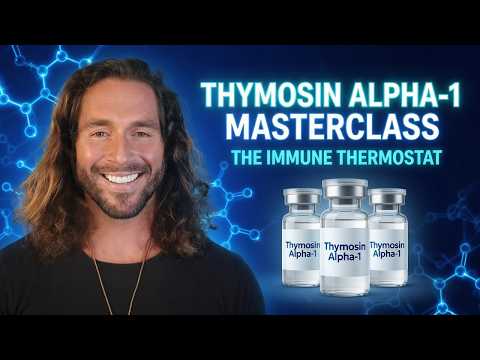
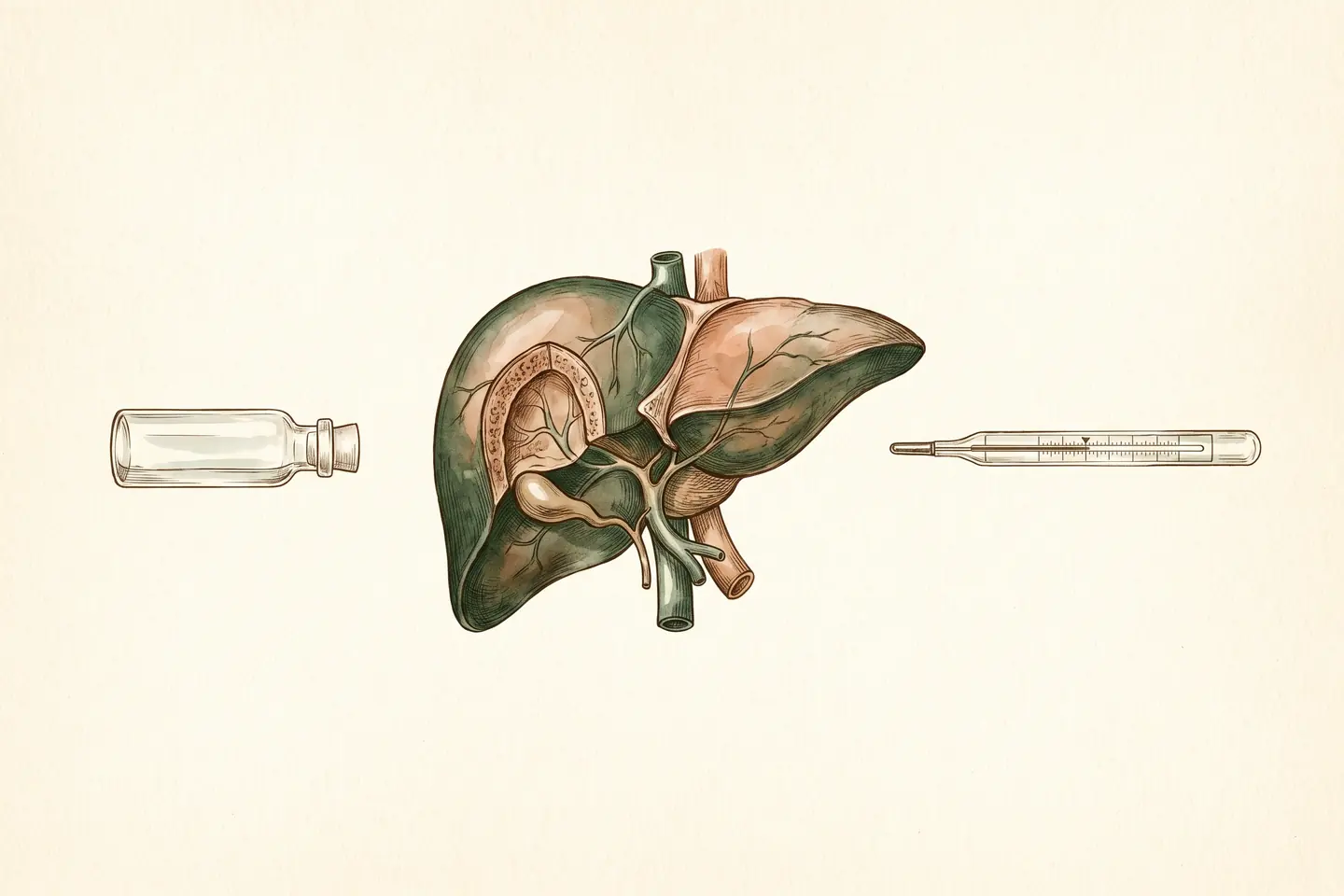
What sets thymosin alpha-1 apart is that it behaves like a modulator, often described as a thermostat rather than a gas pedal, nudging a weak immune response up or an overactive one down toward balance depending on what the local tissue needs. It acts largely on dendritic cells and works through two opposing arms at once. One arm signals through toll-like receptor 2, driving NF-kB and a TH1 response that matures dendritic cells and activates natural killer cells for antiviral and anti-tumor defense. The other arm signals through toll-like receptor 9, producing type 1 interferons that switch on the enzyme IDO, which depletes tryptophan and generates regulatory T cells that calm the response. Because both arms fire simultaneously, the surrounding environment decides which dominates, and a 2020 mouse study showed the same molecule boosting anti-tumor immunity at a tumor site while calming inflammation in the gut of the same animal.
How it is administered
Thymosin alpha-1 is almost always given by subcutaneous injection, typically into abdominal fat with a fine insulin needle, and it comes as a lyophilized powder that is reconstituted with bacteriostatic or sterile water. The clinical standard across most trials is around 1.6 mg twice weekly, a figure originally derived from roughly 900 micrograms per square meter of body surface area, with frequency rather than dose adjusted for different goals. Because its half-life in the blood is short, under about three hours, it is not felt acutely and its effect accumulates gradually over weeks as immune cells are retrained. Reported protocols describe general immune blocks of four to eight weeks, with chronic infection or oncology support running for many months. Oral and intranasal forms are marketed by some vendors, but sources describe injection as the route with actual supporting data.
Clinical & Research Context
Those with chronic viral infections (hepatitis) · Cancer patients wanting immune support · People with poor vaccine responses · Anyone with weakened immunity · Those seeking antiviral protection
State of the evidence
Thymosin alpha-1 is unusually well documented for a peptide, with the synthetic form studied in more than 11,000 subjects across over 30 clinical trials plus decades of post-marketing use abroad. The strongest human data is in hepatitis B, where a majority of treated patients cleared or converted the surface antigen, and vaccine-enhancement trials in elderly men showed higher antibody responses and lower influenza incidence. Cancer data is newer and framed as immune priming rather than direct tumor killing, with 2025 and 2026 studies suggesting better outcomes when it is added to chemoradiotherapy or immunotherapy. Against this, the largest randomized trial to date, the TESTS phase 3 sepsis study of 1,089 adults reported in January 2025, did not reduce mortality overall, though subgroup signals suggested benefit in older and diabetic patients and possible harm in those under 60. Enthusiasm around long COVID, autoimmune conditions, and cystic fibrosis rests mostly on mechanism or small studies, and a high-profile 2017 cystic fibrosis claim was later corrected after independent labs could not reproduce it.
Legal and regulatory status
As of this writing, thymosin alpha-1 is not FDA approved in the United States, so domestically it circulates as a research chemical rather than a prescription drug. It holds FDA orphan drug designations for melanoma, hepatocellular carcinoma, and hepatitis B, but designations are not approvals. The regulatory picture has been shifting, with the FDA removing it from a restricted category in September 2024, an advisory committee voting in December 2024 against adding it to the approved compounding list, and further review expected in 2026, so the status can change quickly. Internationally the situation is very different, as the thymalfasin form is approved in roughly 37 countries under the brand name Zadaxin. One safety-relevant caution repeatedly raised is combining it with checkpoint inhibitor cancer drugs, since a case report documented severe multi-system reactions when the two forms of immune activation stacked, making oncologist involvement important for anyone in cancer treatment.
Further listening
2 recordingsCommonly Stacked With
Research-Market Price Snapshot
A compact market signal for this profile. The dedicated pricing page owns vendor, vial-size, and price-per-mg comparisons.
Updated Jul 16, 2026
- Vendors
- 46
- Listings
- 59
- Observed range
- $30–$424
Thymosin Alpha-1 Research
Live PubMed intelligence from the research crawler
Gender-associated difference following COVID-19 virus infection: Implications for thymosin alpha-1 therapy.
International immunopharmacology · Jan 1, 2021
Gender influences clinical presentations, duration and severity of symptoms, and therapy outcome in coronavirus disease 2019 (COVID-19) infection. Whether the immune response to Tα1 treatment for SARS-CoV-2 differs between the sexes, and whether this difference explains the male susceptibility to COVID-19, is unclear. This study aimed to investigate the efficiency and safety of Tα1 treatment and provide a basis for practically identifying gender differences characteristics and features of COVID-19. One hundred twenty-seven patients had COVID-19 symptoms and tested COVID19-positive (female 42.52%) in Wuhan union hospital were enrolled for medication. They were randomly divided into groups Control and Tα1 intervention. Seventy-eight patients received a subcutaneous injection of 1.6 mg Tα1, based on supportive treatment for 15 days. The control group included untreated 49 COVID19 patients closely matched for gender and age and received regular supportive treatment. In this retrospective analysis, we found that COVID-19-infected males reported more symptoms than COVID-19-infected females. A high degree of gender differences-related variability was observed in CRP and PCT levels and the cell counts of many lymphocyte subpopulations in the COVID-19 patients after Tα1 intervention. Levels of CRP and IL-6 were higher in Tα1-treated male group than Tα1-treated female group, while the level of PCT was significantly lower in Tα1-treated male group. Gender differences may be a factor in sustaining COVID-19 immunity responded to Tα1, male and female show statistically significant differences in relevance to cytokine production associated with the development of a more significant number of symptoms. This leaves the question of identifying gender-specific risk factors to explain these differences.
The efficacy and safety of thymosin alpha-1 combined with lenvatinib plus sintilimab in unresectable hepatocellular carcinoma: a retrospective study.
Scientific reports · Apr 22, 2025
To validate the efficacy and safety of thymosin α-1 combined with lenvatinib plus sintilimab in the treatment of unresectable hepatocellular carcinoma. Patients with unresectable hepatocellular carcinoma treated with lenvatinib plus sintilimab at the People's Hospital of Guangxi Zhuang Autonomous Region from January 2020 to June 2022 were retrospectively analyzed. The patients were divided into an experimental group and a control group based on their therapeutic regimens: thymosin α-1 plus lenvatinib and sintilimab (experimental group), and lenvatinib plus sintilimab (control group). The primary endpoints were overall survival and progression-free survival. Tumor response was evaluated according to mRECIST criteria, and the partial response, complete response, stable disease, progressive disease, object response rate, and disease control rate of the two groups were compared. Adverse events were evaluated using the Common Terminology Criteria for Adverse Events version 5.0. The median overall survival of all patients was 13.0 months (95% CI 10.587-15.413). The experimental group had a longer median overall survival than the control group (16 months vs. 11 months, P = 0.018). The median progression free survival of all patients was 5.0 months (95% CI 3.721-6.279). The experimental group had a longer median progression-free survival than the control group (7 months vs. 4 months, P = 0.006). The objective response rate of the experimental group was 55.8% (24/43), and of the control group's 34.7% (17/49) (P = 0.042). The disease control rate of the experimental group was 76.7% (33/43), while the control group had a rate of 59.2% (29/49) (P = 0.073). There was no significant difference in the incidence of grade 1-2 adverse events or grade 3-4 adverse events between the two groups (P > 0.05). Thymosin α-1 combined with lenvatinib plus sintilimab is an effective and safe therapeutic regimen in unresectable hepatocellular carcinoma.
PD-1 inhibitor combined with SBRT, GM-CSF, and thymosin alpha-1 in metastatic breast cancer: A case report and literature review.
Medicine · Aug 23, 2024
RATIONALE: Triple-negative breast cancer is characterized by a worse prognosis compared with other breast cancer subtypes, especially in the case of pretreated metastatic triple-negative breast cancer (mTNBC). Because of the limited treatment options and suboptimal response rates, there is a pressing need to explore novel treatment protocols. PATIENT CONCERNS: A 48-year-old female patient diagnosed with mTNBC who had not responded to multiple lines of therapy (including surgery, chemotherapy, and radiotherapy) but demonstrated significant efficacy and abscopal effects after enrolling in our clinical trial. DIAGNOSES: Triple-negative breast cancer with lung metastases. INTERVENTIONS: The clinical trial combined stereotactic body radiotherapy, immunotherapy, granulocyte-macrophage colony-stimulating factor, and thymosin alpha-1 to treat previously treated metastatic solid cancers. OUTCOMES: This combined treatment regimen implemented in this clinical trial yielded the patient's notable efficacy, accompanied by abscopal effects. The target lesion and the 3 observed lesions achieved a partial response according to the RECIST v1.1 criteria. reevaluation scans after 2 cycles of immunotherapy indicated a regression rate of -78.97% for the target lesion and -56.73% for the observed lesions. Hematological indexes were stable, and there was no apparent myelosuppression. Also, the tumor marker CA-199 exhibited a downward trend. During the course of treatment, the patient experienced a grade 2 skin reaction, which improved after receiving antiallergic treatment. No further adverse effects were observed. LESSONS: This treatment regimen may offer a promising treatment strategy for patients with mTNBC and other metastatic solid cancers.
Thymosin alpha-1 as adjunct for conventional therapy of malignant tumors: a review.
Cancer investigation · Jan 1, 1994
T alpha 1, a 28-amino-acid peptide, is derived from PT alpha, which is an intracellular, nonsecretory protein of unknown function. Both T alpha 1 and PT alpha are found in the blood of normal individuals. Subcutaneous and intramuscular injections of T alpha 1 in doses up to 9.6 mg/m2 are tolerated without side effects, and 0.9 mg/m2 injections raise the serum level approximately 30-fold after 1 hr of administration, which slowly returns to baseline within 24 hr. In vitro, and perhaps in vivo, T alpha 1 restores normal T-cell function. It increases IL-2 production and IL-2 receptors in normal mitogen-stimulated T cells and stimulates IL-3 production in immunocompromised mice. The dose-response relationship for these effects is not linear and may be bimodal. T alpha 1 binds to VIP receptors and inhibits in vitro and xenograft growth of non-SCLC cell lines. In patients with nonbulky carcinomas who have received standard therapy, T alpha 1 is possibly effective in prolonging the time to relapse and in improving survival. At present there is a great need to clearly define the clinical role of T alpha 1 in cancer patients. A major problem encountered in studies with T alpha 1 will, however, be the present lack of knowledge with regard to its mechanism in effecting tumor growth. It is not at all clear whether its immunomodulatory functions, its interaction with VIP receptors, or none of these mechanisms are related to its antineoplastic activities. In addition, the apparent nonlinear dose-response relationship will make it difficult to choose a reasonable dosing schedule for clinical trials. This is particularly apparent in light of the experimental animal data summarized above where a tumor response was seen at doses of 4 micrograms/kg and 400 micrograms/kg but not at 0.4 microgram/kg and 40 micrograms/kg. This dose range could conceivably be given to humans since 9.6 mg/m2, the maximum dose given to humans without major side effects to date, is roughly equivalent to 250 micrograms/kg. At this time a reasonable clinical approach would be a well-designed risk factor stratified phase III clinical trial using 0.9 mg/m2 T alpha 1 subcutaneously twice a week compared to a control group to substantiate the data reported by Schulof et al. Before such data are available, T alpha 1 should not be used in clinical oncology.
Stereotactic body radiation therapy and thymosin alpha-1-induced anti-tumor effects in heavily pretreated, metastatic esophageal squamous cell carcinoma patients.
Oncoimmunology · Jan 1, 2018
This study investigated the anti-tumor effects of stereotactic body radiation therapy (SBRT) with thymosin alpha-1 (Tα1) in heavily pretreated, metastatic esophageal squamous cell carcinoma (mESCC) patients. Thirty-one patients with at least 2 metastatic sites were enrolled. SBRT was delivered with a daily fraction of 5.0 Gy for a total dosage of 25 Gy over one week to one metastatic lesion. Concurrent Tα1 (1.6mg subcutaneously) was administered twice a week with an interval of 3-4 days until tumor progression of other documented metastatic lesions. Anti-tumor effects (the primary endpoint) were evaluated by assessing the CT/MRI response of other distinct measurable lesions. Secondary endpoints included treatment safety, survival outcomes and immune-related blood parameters. This study was registered at ClinicalTrials.gov (NCT 02545751). Partial response occurred in three (9.7%) patients, and 11 (35.5%) patients had stable metastatic disease, which yielded a metastatic-lesion control rate of 45.2%. Seventeen (54.8%) patients were documented to have progressive disease in other metastatic lesions. The median overall survival and abscopal progression free survival (APFS) times were 5.2 and 2.9 months, respectively. Significant differences in survival outcomes were observed between the abscopal control group (without progression in the abscopal lesions at 12 weeks) and the non-control group (P = 0.035 and 0.044, respectively). Treatment-related toxicity was acceptable, and no grade 4 acute toxicity occurred. Immunomonitoring of lymphocytes showed that the proportion of CD8+ T cells after treatment was significantly different between the abscopal control group and the non-control group (P=0.047). In conclusion, the combination of SBRT with Tα1 produced encouraging effects in heavily pretreated, mESCC patients and further research on radiation enhanced immunotherapy is warranted.
Thymosin alpha-1 with peginterferon alfa-2a/ribavirin for chronic hepatitis C not responsive to IFN/ribavirin: an adjuvant role?
Journal of viral hepatitis · Jan 1, 2012
This study was conducted to determine whether the adding thymosin alpha-1 to standard of care for re-treatment of nonresponding hepatitis C infections can improve sustained viral response (SVR) rates. Patients (n = 552) with hepatitis C infections not responding to the combination of Peginterferon alfa-2a or 2b with ribavirin (RBV)were randomized to receive peginterferon alfa-2a 180 mg/week with RBV 800-1200 mg/daily plus either thymosin alpha-1 1.6 mg SC twice weekly (n = 275) or placebo (n = 277) for 48 weeks. Eighty-eight per cent of patients had HCV genotype 1, 6.6% type 4, 2.2% type 2 and 3.6% type 3. SVR rates in the intention to treat population were similar between thymosin alpha-1 and placebo (12.7%vs 10.5%; P = 0.407). Among patients who completed all 48 weeks of therapy, the SVR rate was significantly higher in the thymosin alpha-1 group at 41.0% (34/83) compared with 26.3% (26/99) in the placebo group (P = 0.048). No significant difference was observed between treatment groups in the incidence of adverse events. The addition of thymosin alpha-1 to the standard of care did not increase the on-treatment HCV viral response. Thymosin alpha-1 seems to play no role in the primary therapy of the disease. This study raises the hypothesis that thymosin alpha-1 may have a secondary therapeutic role as an adjuvant in the prevention of relapses in patients achieving a virologic response during therapy.
Related Peptides
LL-37
THE NATURAL ANTIBIOTICBGoodImmune System Modulation · Antimicrobial & AntiviralHealing · Immune System ModulationDose50 mcg↻CycleAs needed for infections or wounds◷Kicks inAntimicrobial effects are rapid; wound...Your body's natural antibiotic peptide that fights infections.
from $4.60/mg · 35 vendorsNº 004 / 006KPV
THE INFLAMMATION ERASERAHighAntimicrobial & Antiviral · Accelerated HealingHealing · Antimicrobial & AntiviralDose500 mcg↻Cycle4-8 weeks or as needed◷Kicks inInflammation reduction often noticed within...Anti-inflammatory tripeptide for gut healing and skin
from $1.60/mg · 73 vendorsNº 002 / 006Crystagen
THE IMMUNE BALANCERAHighImmune System Modulation · Anti-InflammatoryLongevity · Immune System ModulationDoseSee guide↻Cycle10-30 days on, 4-6 months off◷Kicks inImmune improvements develop over the full...Tripeptide immune booster for T-cell support and inflammation control
from $2.93/mg · 5 vendorsNº 001 / 006Livagen
THE LIVER REVITALIZERAHighAnti-Aging & Longevity · Immune System ModulationHealing · Anti-Aging & LongevityDoseSee guide↻Cycle10-20 days on, 3-6 months break◷Kicks inImmune improvements may be subtle; benefits...Activate your immune system and slow cellular aging
from $1.60/mg · 13 vendorsNº 003 / 006Taxorest
THE LUNG HEALERAHighRespiratory Health · Anti-InflammatoryHealing · Respiratory HealthDoseSee guide↻Cycle4 weeks on, 12 weeks off◷Kicks inRespiratory improvements may be gradual over...Support lung health and respiratory function naturally
Full profileNº 005 / 006Thymagen
THE IMMUNE RESTORERAHighImmune System Modulation · Anti-InflammatoryLongevity · Immune System ModulationDose10 mg↻Cycle4 weeks on, 8 weeks off (2-3 cycles per year)◷Kicks inImmune improvements may be subtle and...Rebalance your immune system and fight immunosenescence
from $2.50/mg · 7 vendorsNº 006 / 006