
Tesamorelin cut visceral fat in HIV; sermorelin has smaller trials
Tesamorelin cut visceral fat 10.9% versus 0.6% on placebo in a Phase 3 HIV trial. Sermorelin shares its receptor but has smaller trials, mostly in children.

By Jay Spall, chemist and biochemist
Disclosure: Jay is a co-founder of The Peptide App. This review discusses the studies cited below; it is not a comprehensive live trial registry or treatment recommendation. Development and regulatory status can change. The app’s tools organize records and arithmetic and do not validate a research product.
On this page
- Do sermorelin and tesamorelin act on the same receptor?
- Does stacking sermorelin and tesamorelin do more than one alone?
- What does tesamorelin's trial evidence show?
- What does sermorelin's trial evidence show?
- What doses did the sermorelin and tesamorelin trials use?
- Why do sermorelin and tesamorelin perform differently?
- Do sermorelin or tesamorelin work for fat loss or anti-aging in healthy adults?
- What is still unknown about sermorelin and tesamorelin?
- Sources
Key facts
| Question | Direct answer |
|---|---|
| Do sermorelin and tesamorelin work through different systems? | No. Both are analogs of growth hormone-releasing hormone (GHRH), and both bind the same GHRH receptor on the pituitary [3][5]. |
| Does stacking sermorelin and tesamorelin do more than one alone? | No trial has tested the combination. Mechanistically, stacking adds two signals to one receptor pathway rather than engaging a second system. |
| Which one has solid randomized trial evidence? | Tesamorelin, in multiple Phase 3 trials, specifically for reducing visceral fat in people with HIV-associated lipodystrophy [1][2][3]. |
| What does sermorelin's evidence cover? | Smaller, older trials, mostly in growth-hormone-deficient children or diagnostic testing, plus one small immune-function study in healthy elderly adults [4][6][7]. |
| Is either one proven for fat loss or anti-aging in healthy adults? | No. None of the cited trials enrolled healthy adults for that purpose or measured those outcomes. |
| Why does their chemistry matter if the receptor is the same? | Tesamorelin's added stabilizing group and sermorelin's short, unmodified structure produce different stability and dosing behavior, which plausibly explains why their trial outcomes diverge even though the target does not [3][5][6]. |
7 sources cited. View sources
Do sermorelin and tesamorelin act on the same receptor?
Yes: sermorelin and tesamorelin are both analogs of growth hormone-releasing hormone (GHRH), and both bind the same GHRH receptor on the pituitary [3][5].
Sermorelin is a synthetic version of the first 29 amino acids of natural human GHRH, written in the literature as GHRH(1-29)-NH2 [5]. Tesamorelin is a longer, chemically modified analog: GHRH(1-44) with an added trans-3-hexenoic acid group that increases resistance to enzymatic breakdown [3].
Both molecules dock at the GHRH receptor on pituitary somatotroph cells and trigger the same downstream event, pulsatile release of growth hormone. No second receptor system is involved.
Does stacking sermorelin and tesamorelin do more than one alone?
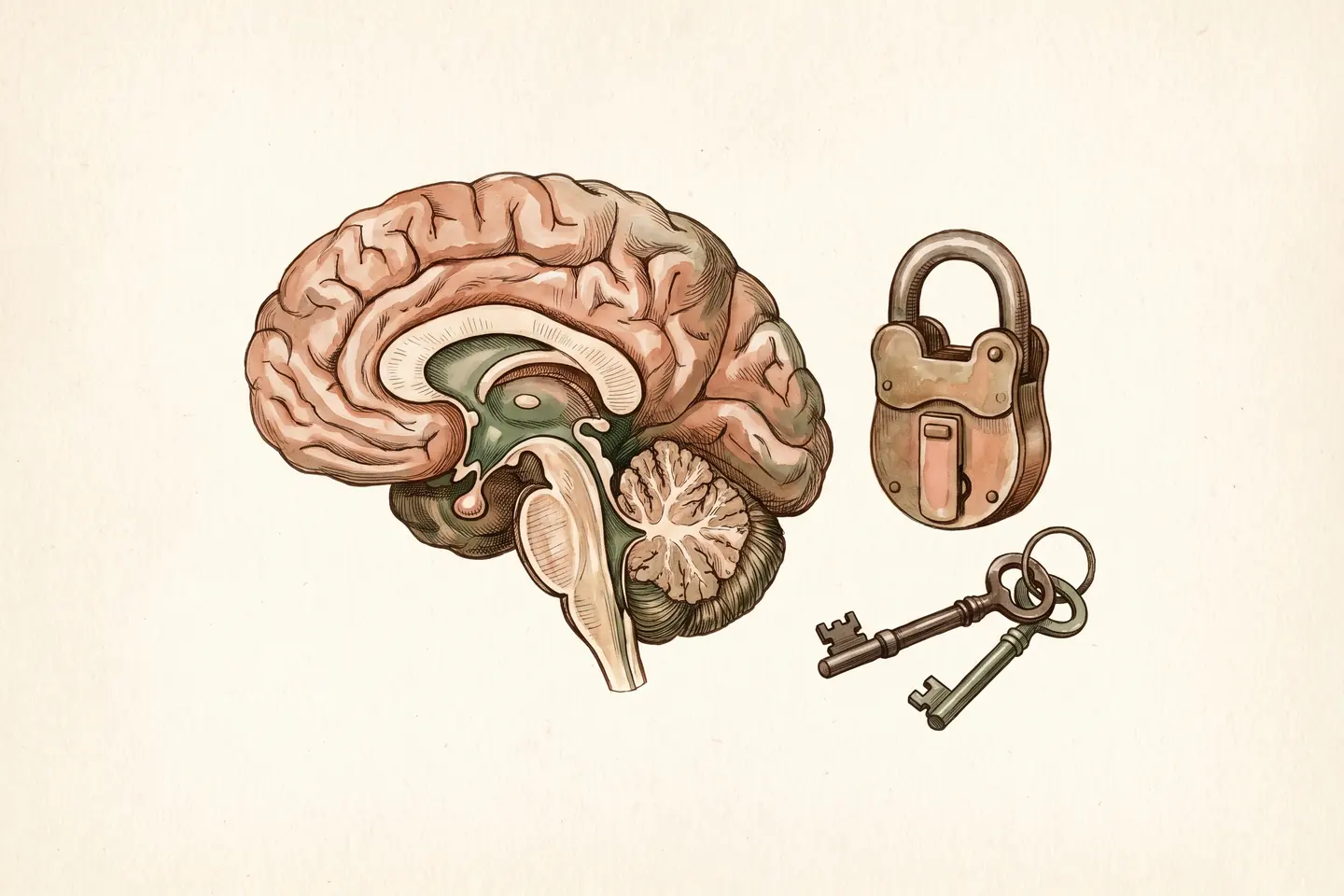
No trial has tested sermorelin and tesamorelin together, and mechanistically the stack adds two signals to one receptor pathway rather than engaging a second system.
Combining them means two ligands competing for, or repeatedly stimulating, the identical receptor pathway, not two separate mechanisms working in parallel. That single fact undercuts the "layered protocol" framing on some clinic pages, which pitch sermorelin and tesamorelin as complementary tools targeting different problems.
Any claim that stacking produces an additive or synergistic effect is an extrapolation from receptor pharmacology, not a tested outcome. The stacking question has its own analysis: why stacking sermorelin and tesamorelin is redundant.
What does tesamorelin's trial evidence show?
Tesamorelin reduced visceral fat by about 10.9% after six months, compared with a 0.6% change on placebo, in a Phase 3 trial of HIV-infected patients with excess abdominal fat [3].
That trial was randomized, double-blind and placebo-controlled, and the reduction amounted to roughly 21 cm² of visceral adipose tissue with daily tesamorelin [3]. That evidence tier is unusually solid for a peptide in this space.
In a related trial, patients who achieved at least an 8% VAT reduction also showed larger improvements in triglycerides, fasting glucose, and HbA1c than nonresponders, tying the fat change to measurable metabolic shifts in that population [2]. A separate analysis identified metabolic syndrome status, triglyceride levels, and race as predictors of response, again within the HIV lipodystrophy trial population, not in healthy adults [1].
The evidence is controlled and randomized, and it answers a narrow question: does tesamorelin reduce visceral fat in people with HIV-associated lipodystrophy. That population limit is the subject of tesamorelin's lipodystrophy-only fat evidence.
What does sermorelin's trial evidence show?
Sermorelin's evidence comes from smaller, older trials, mostly in growth-hormone-deficient children, and none of those trials measured visceral fat.
A randomized trial in growth-hormone-deficient children compared GHRH(1-29)-NH2 with growth hormone. Height velocity was 9.2 to 9.3 cm/year on the GHRH analog versus 14.6 cm/year on GH itself, a meaningfully smaller effect [6].
Pharmacokinetic work in healthy men showed that sermorelin is rapidly cleared after injection and has only 3 to 5% bioavailability when given intranasally [5]. A small pilot study in eight GHD children found that intranasal dosing produced a brief growth-rate bump that faded by six months, with side effects such as sneezing and nasal irritation [7].
In the one cited study of aging adults rather than children, 19 healthy elderly subjects received a nightly GHRH(1-29)-NH2 analog for 16 weeks and showed changes in immune cell measures, not body composition or fat loss endpoints [4]. None of these sermorelin trials enrolled healthy adults seeking the outcomes clinics market today. The adult picture is covered in the evidence on sermorelin for adult use.
What doses did the sermorelin and tesamorelin trials use?
The trial-backed doses are tesamorelin at 2 mg subcutaneously daily in HIV-infected adults with lipodystrophy and sermorelin at 30 to 60 mcg/kg/day in growth-hormone-deficient children.
Tesamorelin at 2 mg daily produced the VAT reductions described above over 6 to 12 months [3][1]. One analysis used a VAT under 140 cm² after six months of treatment as a marker of lower-risk body composition [1].
Sermorelin's pediatric trial compared 30 to 60 mcg/kg/day with a GH dose of 0.1 IU/kg/day. Nearly all sermorelin-treated patients formed antibodies, without a clear link between antibody levels and growth outcome [6].
None of these figures came from healthy adults chasing visceral fat loss, muscle gain, or longevity.
Why do sermorelin and tesamorelin perform differently?
Sermorelin and tesamorelin differ in stability and exposure, not receptor, and that difference plausibly explains why their trial outcomes diverge [3][5][6].
Tesamorelin's structural modification appears to give it staying power against degradation, which lines up with results sustained over 6 to 12 months of daily dosing in large trials [3]. Sermorelin, an unmodified short fragment, clears quickly and has poor intranasal bioavailability [5]. Sermorelin provoked antibody formation in nearly all treated children in one pediatric trial, without a clear link to growth outcome [6], and its intranasal growth effect faded by six months in another [7].
Two molecules can share a lock and still behave differently, depending on how long they sit in the keyhole and how the body reacts to repeated exposure. That distinction, not the shared receptor, should inform claims about either peptide.
Do sermorelin or tesamorelin work for fat loss or anti-aging in healthy adults?
Neither sermorelin nor tesamorelin is proven for fat loss or anti-aging in healthy adults: none of the cited trials enrolled healthy adults for those purposes or measured those outcomes.
Tesamorelin's Phase 3 evidence shows visceral fat reduction in people with HIV-associated lipodystrophy. It does not show whether tesamorelin does the same, or anything similar, in a healthy 45-year-old wanting to trim their waistline. The cited sermorelin study in aging adults measured immune cells [4].
What is still unknown about sermorelin and tesamorelin?
Three questions remain untested:
- Healthy-adult outcomes. None of the cited trials tests sermorelin or tesamorelin, alone or combined, for fat loss, muscle gain, or anti-aging in adults without HIV-associated lipodystrophy or growth hormone deficiency.
- The combination. No study measures what happens when both peptides are given together.
- Long-term safety. Sustained use in healthy populations, for either peptide and especially in combination, falls outside what these trials measured.
Sources
Last updated

Written by
Chemist and biochemist. Co-founder and author, The Peptide App.
Jay is a chemist, biochemist and entrepreneur whose work connects scientific research with consumer health products. He has held Chief Science Officer and product development leadership roles and previously served as Chief Revenue Officer at Minicircle.
Keep reading
Combinations and evidence
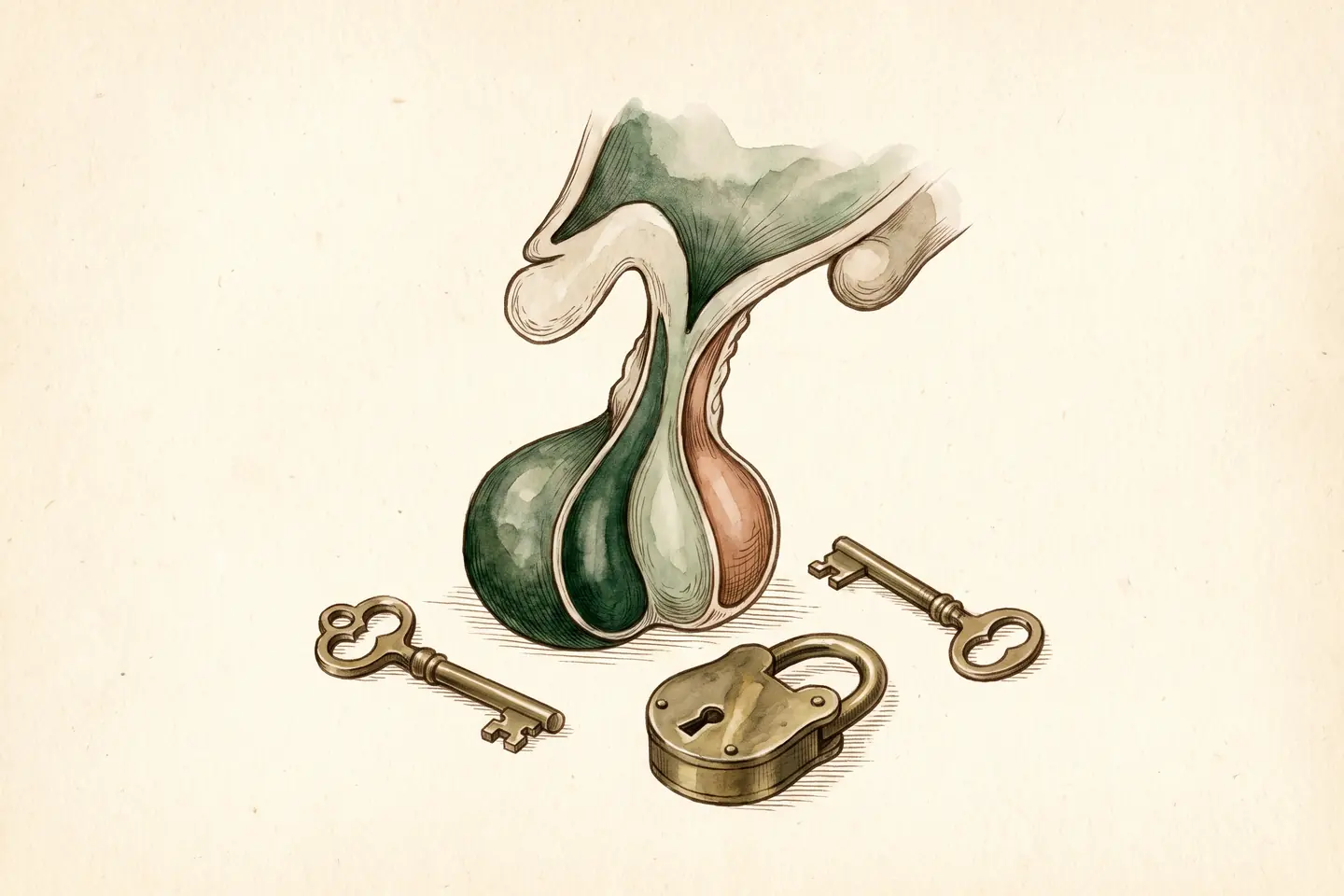
Sermorelin and tesamorelin share a receptor; a stack is a bigger dose
Sermorelin and tesamorelin activate the same pituitary GHRH receptor, so stacking them acts like a higher single dose. No trial has tested the pair.
Compound evidence
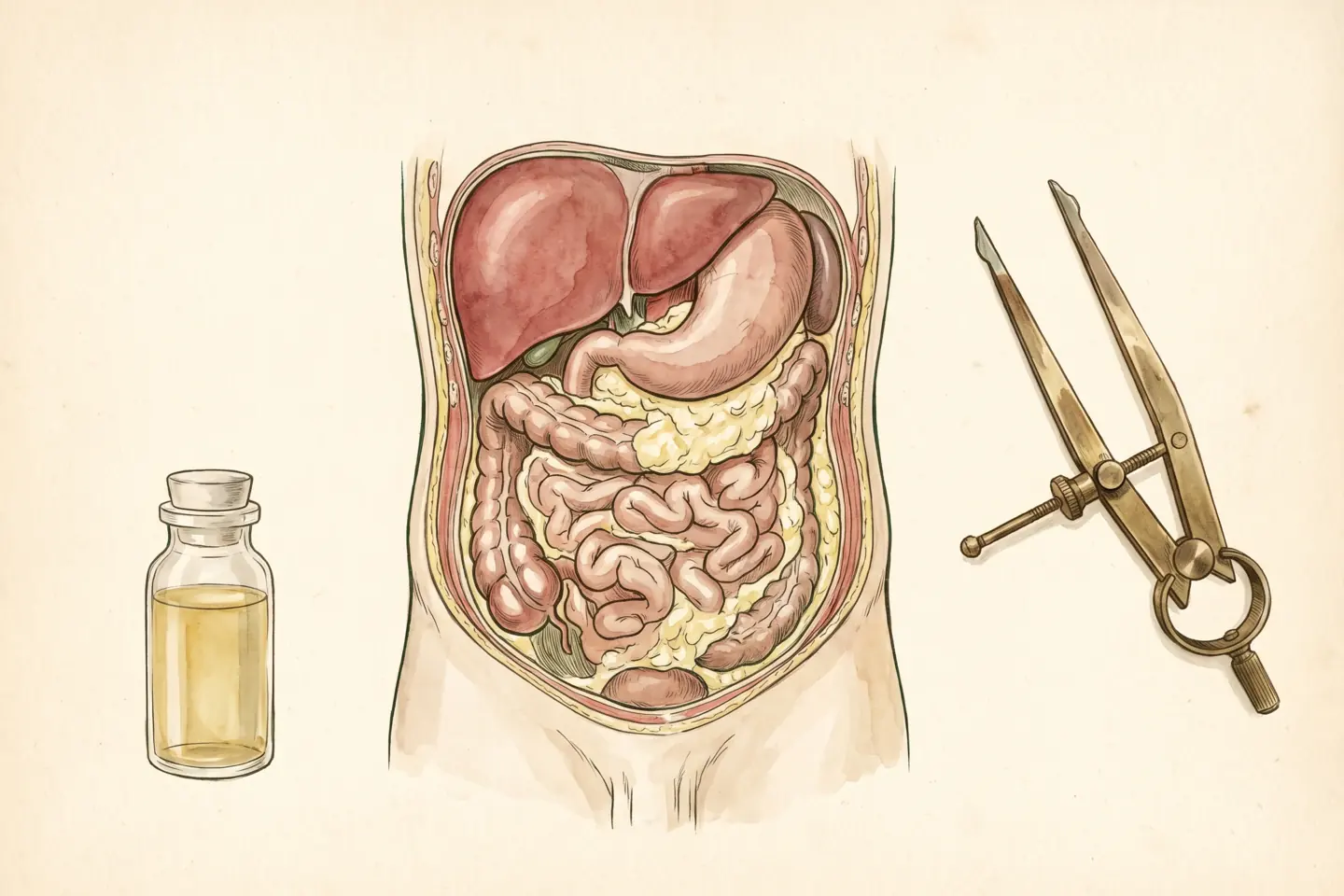
Tesamorelin shrinks visceral fat in people with HIV lipodystrophy
Tesamorelin cut visceral fat 10% to 18% in HIV-associated lipodystrophy trials. The effect is unproven in healthy adults with normal GH function.
Compound evidence
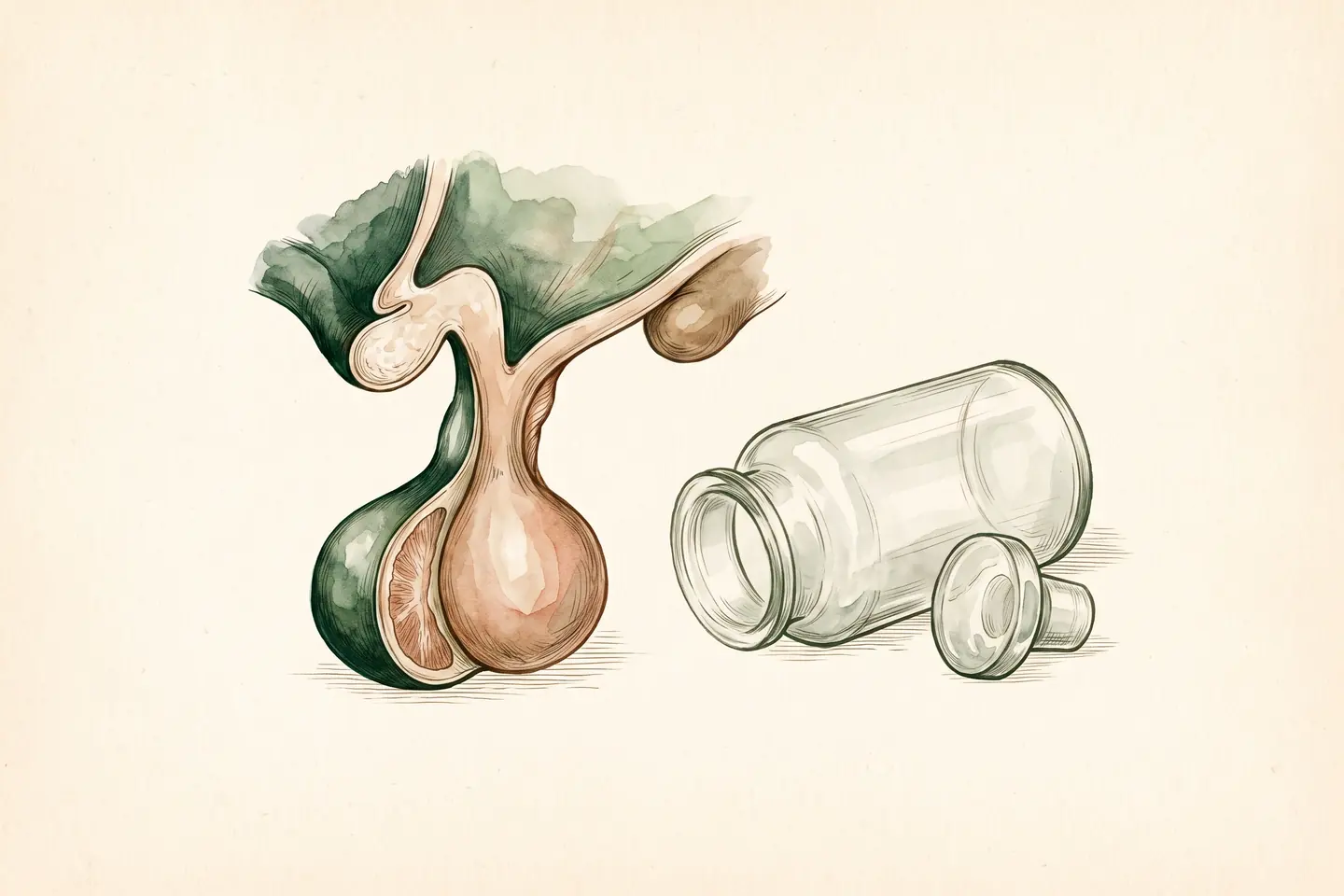
Sermorelin raised GH and cognitive scores in trials of older adults
Sermorelin raised GH in older adults and improved cognition in an 89-person, six-month trial. The trials had no fat-loss endpoint, and today's doses are lower.
Profiles and tools

The Peptide App
Track protocols, doses, and reconstitution in one place.
Save your calculations, set reminders, log doses, and keep outcome notes — free to start.
 or scan the QR code →