

Healing Category
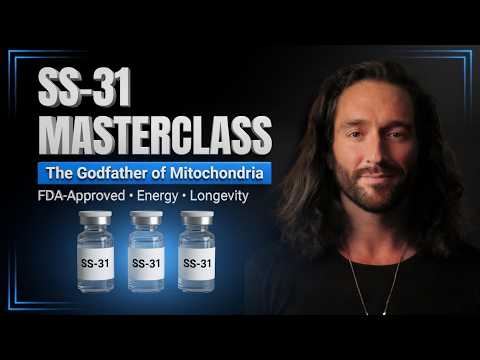
SS-31
THE MITOCHONDRIAL OPTIMIZER
Elamipretide; Bendavia; MTP-131
SS-31 is a mitochondria-targeted peptide that reduces oxidative stress inside the powerhouses of your cells, protecting them from damage and improving energy production in aging or stressed tissue.
SS-31 Evidence Snapshot
How these guides are reviewed- Regulatory status
- Not FDA approved · research use only
- Dosing guidance
- Reviewed by our clinical team
- Linked evidence
- 10 research sources
- Content updated
- Jul 13, 2026
Dose and schedule recommendations shown below come from The Peptide App Clinical Team. Research links are provided so readers can inspect the supporting evidence directly. Review the sources.
Quick Answers About SS-31
Is SS-31 FDA approved?
No. This profile records SS-31 as not FDA approved and for research use only.
More context
Review the regulatory and source details on this page for the current context.
What dose does The Peptide App Clinical Team recommend for SS-31?
Dose: 5-10 mg subcutaneously daily (weekdays).
More context
Schedule: daily. Cycle: 6 weeks on, 8 weeks off. This is clinical-team guidance for reference and does not replace individualized instructions from a licensed clinician.
What research supports this SS-31 guide?
This guide links to 10 curated or current research sources.
More context
Open the research section to inspect the source titles, publication details, study types, and available abstracts directly.
Review the SS-31 research sourcesStudied Effects & Mechanisms
Cardiolipin Binding
Stabilizes cardiolipin in mitochondrial membrane
ATP Production
Improves electron transport efficiency
ROS Scavenging
Reduces free radicals at their source
Mito Biogenesis
Activates PGC-1α for new mitochondria production
Origin and history
SS-31 stands for Szeto-Schiller peptide 31, named after Dr. Hazel Szeto of Cornell University and Dr. Peter Schiller of the Montreal Clinical Research Institute, who characterized it in the early 2000s. It is a synthetic aromatic-cationic tetrapeptide, only four amino acids long, that carries a net positive charge, and it is also known by the drug name elamipretide and earlier development codes such as MTP-131 and Bendavia. Unlike mitochondrial-derived peptides such as MOTS-c or humanin, SS-31 is not produced naturally in the body; it was deliberately designed to concentrate inside cells and reach the inner mitochondrial membrane. Its small size and positive charge let it cross multiple membranes and accumulate where it acts on a phospholipid called cardiolipin. Stealth BioTherapeutics carried it through clinical development, and in 2025 the FDA granted it accelerated approval under the brand name Forzinity for Barth syndrome, described as the first approved therapy that specifically targets the mitochondria.
What people use it for
The common thread behind interest in SS-31 is mitochondrial dysfunction, which is considered one of the root drivers of aging and of many chronic diseases. Its only approved use is Barth syndrome, an ultra-rare genetic disorder affecting only a few hundred people worldwide, so every other application discussed in the wellness space is off-label. Reported interest clusters around cognitive decline and dementia, recovery from traumatic brain injury, chronic kidney disease, insulin resistance, and chronic fatigue or post-viral syndromes such as long COVID, along with general anti-aging and energy support. Because cardiolipin declines with age, some commentators frame SS-31 as most relevant from roughly age 50 onward, or when lab markers suggest mitochondrial decline, rather than for young and healthy users. It is sometimes paired with MOTS-c, with SS-31 framed as structural repair of the membrane and MOTS-c as a signaling molecule that activates AMPK, though the ideal stacking order is actively debated among practitioners.
What makes it unusual
Most peptides act on receptors or signaling pathways, but SS-31 works structurally, which is what makes it distinctive. It concentrates in the inner mitochondrial membrane and binds cardiolipin, a negatively charged phospholipid that holds the electron transport chain complexes stable. When reactive oxygen species leak from that chain, they damage cardiolipin, which destabilizes the chain and generates still more reactive oxygen species in a self-reinforcing cycle of mitochondrial decline. By binding and stabilizing cardiolipin, SS-31 is described as interrupting that cycle, protecting ATP production and reducing oxidative stress. Because it stabilizes rather than activates or stimulates growth pathways, some clinicians argue it carries less theoretical risk than peptides that push signaling or proliferative mechanisms.
How it is administered
Human trials of SS-31 have used intravenous infusion and subcutaneous injection, with daily subcutaneous injection being the more common and practical route in the long-term studies. There is no published human data on oral SS-31, and reportedly not even animal studies using an oral form. Although its very small four-amino-acid size might suggest some oral potential, commentators note that intestinal transporters efficiently absorb mainly two and three amino acid peptides, so a four amino acid peptide like SS-31 is more likely to be degraded without an advanced formulation. Reported protocols in the trials describe 40 mg subcutaneously per day, and some practitioners speculate that people with only mild age-related dysfunction might use less, partly for cost reasons since compounded material runs around a dollar per milligram. None of this should be read as a dosing recommendation.
Clinical & Research Context
Those with mitochondrial dysfunction · People with heart failure or cardiomyopathy · Anyone experiencing chronic fatigue · Those with kidney disease · People focused on longevity and cellular health
State of the evidence
SS-31 has an unusually deep human safety record for a peptide in this space, with multiple long-term trials at 40 mg daily reporting no significant adverse effects beyond local injection-site reactions. The strongest efficacy evidence is in Barth syndrome, where an extended trial in a small group reported meaningful improvements in muscle strength and heart function markers over roughly three years, which supported the FDA approval. Beyond that the picture is mixed: a heart failure trial and a macular degeneration trial did not show large effects, while a small phase two trial in kidney artery stenting was more encouraging. Most of the widely promoted uses, including dementia, traumatic brain injury, kidney disease, diabetes, and anti-aging, rest on mouse and other preclinical models rather than human trials, and the chronic fatigue and long COVID uses are essentially speculative, extrapolated from mechanism and anecdote. Overall the mechanism is well characterized and the safety data look strong, but human efficacy outside rare mitochondrial disease remains largely unproven.
Legal and regulatory status
In 2025 the FDA granted elamipretide, also known as SS-31, accelerated approval under the brand name Forzinity for Barth syndrome, making it the first approved drug that specifically targets the mitochondria. That approval is narrow, so every other use, including anti-aging, cognitive, and energy applications, is off-label. Outside that indication, material is typically obtained through compounding pharmacies or research-chemical channels, where purity and legality vary and rules differ by country. It appears under several names, including elamipretide, MTP-131, and the older code Bendavia, which can cause confusion when comparing sources. Regulatory and scheduling status in this area changes quickly, so current rules should be verified rather than assumed.
Further listening
3 recordingsResearch-Market Price Snapshot
A compact market signal for this profile. The dedicated pricing page owns vendor, vial-size, and price-per-mg comparisons.
Updated Jul 16, 2026
- Vendors
- 31
- Listings
- 48
- Observed range
- $35–$1,125
SS-31 Research
Live PubMed intelligence from the research crawler
The mitochondrial-targeted peptide, SS-31, improves glomerular architecture in mice of advanced age.
Kidney international · May 1, 2017
Although age-associated changes in kidney glomerular architecture have been described in mice and man, the mechanisms are unknown. It is unclear if these changes can be prevented or even reversed by systemic therapies administered at advanced age. Using light microscopy and transmission electron microscopy, our results showed glomerulosclerosis with injury to mitochondria in glomerular epithelial cells in mice aged 26 months (equivalent to a 79-year-old human). To test the hypothesis that reducing mitochondrial damage in late age would result in lowered glomerulosclerosis, we administered the mitochondrial targeted peptide, SS-31, to aged mice. Baseline (24-month-old) mice were randomized to receive 8 weeks of SS-31, or saline, and killed at 26 months of age. SS-31 treatment improved age-related mitochondrial morphology and glomerulosclerosis. Assessment of glomeruli revealed that SS-31 reduced senescence (p16, senescence-associated-ß-Gal) and increased the density of parietal epithelial cells. However, SS-31 treatment reduced markers of parietal epithelial cell activation (Collagen IV, pERK1/2, and α-smooth muscle actin). SS-31 did not impact podocyte density, but it reduced markers of podocyte injury (desmin) and improved cytoskeletal integrity (synaptopodin). This was accompanied by higher glomerular endothelial cell density (CD31). Thus, despite initiating therapy in late-age mice, a short course of SS-31 has protective benefits on glomerular mitochondria, accompanied by temporal changes to the glomerular architecture. This systemic pharmacological intervention in old-aged animals limits glomerulosclerosis and senescence, reduces parietal epithelial cell activation, and improves podocyte and endothelial cell integrity.
Mitochondrial Cardiolipin-Targeted Tetrapeptide, SS-31, Exerts Neuroprotective Effects Within In Vitro and In Vivo Models of Spinal Cord Injury.
International journal of molecular sciences · Apr 2, 2025
Spinal cord injury (SCI) affects millions globally, leading to severe motor and sensory deficits with no effective clinical treatment. Cardiolipin (CL), a mitochondria-specific phospholipid, plays a critical role in bioenergetics and apoptosis. Emerging evidence suggests that CL alterations contribute to secondary SCI pathology, but their precise role and underlying mechanisms remain fully understudied. In this study, we investigated the protective effects of SS-31 on CL alteration, neuronal death, tissue damage, and behavioral recovery after SCI using both in vitro and in vivo models, lipidomics analysis, histological evaluation, and behavioral assessments. In vitro investigations used primary spinal cord neuron cultures, challenged with either rotenone or glutamatergic excitotoxicity, with protective capabilities measured via cell death assays and neurite morphological analysis. In vivo investigations used female adult C57Bl/6 mice, challenged with a contusive SCI. The results showed that SS-31 reduced rotenone- and glutamate-induced mitochondrial dysfunction and neuronal death in a dose-dependent manner in vitro. Additionally, SS-31 attenuated rotenone- and glutamate-induced neurite degeneration in vitro. Lipidomics analysis revealed a reduction in CL at 24 h post-SCI in adult mice, which was attenuated by SS-31 in a dose-dependent manner. Consistent with this effect, SS-31 improved behavioral recovery after SCI in adult mice, although it had no significant effect on tissue damage. These findings suggest that CL alteration may play a key role in the pathogenesis of SCI, at least in the C57BL/6 mouse, and as such could be an attractive therapeutic target for ameliorating secondary SCI.
Elamipretide (SS-31) and Nicotinamide Mononucleotide (NMN) Combination Therapy Targets TREM2 to Mitigate Post-ischemic Brain Injury in Mice.
Neurochemical research · Jul 14, 2026
Ischemic stroke is a severe cerebrovascular disorder characterized by a cascade of pathological processes, including neuroinflammation and apoptosis. These processes lead to high mortality rates and long-term disabilities, imposing substantial socioeconomic burdens. Although reperfusion therapies have improved patient outcomes, many remain ineligible due to narrow therapeutic windows or clinical contraindications. Consequently, developing novel neuroprotective strategies is of significant clinical importance. Elamipretide (SS-31) and nicotinamide mononucleotide (NMN) are well-documented neuroprotective agents operating through distinct mechanisms; however, their combined efficacy and underlying mechanisms in ischemic stroke remain elusive. This study investigated the neuroprotective efficacy of SS-31 and NMN, alone or in combination, in a mouse model of ischemic stroke, with a specific focus on their modulation of triggering receptor expressed on myeloid cells 2 (TREM2)-mediated neuroinflammatory and apoptotic pathways. A middle cerebral artery occlusion/reperfusion (MCAO/R) model was established in male mice, followed by treatment with SS-31, NMN, or their combination. Therapeutic outcomes were evaluated using neurobehavioral scoring, histopathological staining, transcriptomic sequencing, and protein expression analyses. TREM2 overexpression experiments and specific pharmacological inhibition of the NF-κB pathway were conducted to elucidate the specific molecular mechanisms. Co-administration of SS-31 and NMN significantly attenuated post-ischemic brain damage and ameliorated neurological deficits (P < 0.0001), demonstrating effects markedly superior to either monotherapy. Transcriptomic profiling revealed that the combination therapy specifically modulated innate immune and apoptotic pathways, concomitant with a significant downregulation of TREM2. Mechanistically, the combination therapy effectively inhibited NF-κB (p65) activation, thereby downregulating TREM2 expression. This suppression attenuated microglial activation, reduced the expression of canonical pro-inflammatory cytokines (IL-1β, TNF-α, and IL-6), and rebalanced the Bcl-2/Bax apoptotic axis. Overexpression of TREM2 entirely reversed these neuroprotective benefits. Combination therapy with SS-31 and NMN provides robust neuroprotection against ischemic stroke by suppressing the NF-κB/TREM2 signaling axis, thereby combinatorially modulating post-stroke neuroinflammation and apoptosis. These findings highlight a novel, multi-targeted strategy for precision stroke interventions.
SS-31 efficacy in a mouse model of Friedreich ataxia by upregulation of frataxin expression.
Human molecular genetics · Dec 27, 2021
Friedreich ataxia (FRDA) is a serious hereditary neurodegenerative disease, mostly accompanied with hypertrophic cardiomyopathy, caused by the reduced expression of frataxin (FXN). However, there is still no effective treatment. Our previous studies have shown that SS-31, a mitochondrion-targeted peptide, is capable to upregulate the expression of FXN and improve the mitochondrial function in cells derived from FRDA patients. To further explore the potential of SS-31, we used the GAA expansion-based models, including Y47 and YG8R (Fxn KIKO) mice, primary neurons and macrophages from the mice and cells derived from FRDA patients. After once-daily intraperitoneal injection of 1 mg/kg SS-31 for 1 month, we observed the significant improvement of motor function. The vacuolation in dorsal root ganglia, lesions in dentate nuclei and the lost thickness of myelin sheath of spinal cord were all repaired after SS-31 treatment. In addition, the hypertrophic cardiomyocytes and disarrayed abnormal Purkinje cells were dramatically reduced. Interestingly, we found that SS-31 treatment upregulated FXN expression not only at the translational levels as observed in cell culture but also at mRNA levels in vivo. Consequently, mitochondrial morphology and function were greatly improved in all tested tissues. Importantly, our data provided additional evidence that the maintenance of the therapeutic benefits needed continuous drug administration. Taken together, our findings have demonstrated the effectiveness of SS-31 treatment through the upregulation of FXN in vivo and offer guidance of the potential usage in the clinical application for FRDA.
SS-31 ameliorates hepatic injury in rats subjected to severe burns plus delayed resuscitation via inhibiting the mtDNA/STING pathway in Kupffer cells.
Biochemical and biophysical research communications · Mar 26, 2021
Hepatic injury is common in patients who suffer from severe burns plus delayed resuscitation (B + DR). Stimulator of interferon genes (STING) is primarily expressed in Kupffer cells (KCs). We demonstrated that B + DR caused hepatic injury and oxidative stress. Reactive oxygen species (ROS) damage mitochondrial membranes in hepatocytes, leading to the release of mitochondrial DNA (mtDNA) into the hepatocyte cytosol and the circulation. The damaged hepatocytes then activate the mtDNA/STING pathway in KCs and trigger KCs polarization towards pro-inflammatory phenotype. SS-31 is a strong antioxidant that specifically concentrates in the inner mitochondrial membrane. SS-31 prevented hepatic injury by neutralizing ROS, inhibiting the release of mtDNA, protecting hepatocyte mitochondria, suppressing the activation of the mtDNA/STING pathway and inhibiting KCs polarization into pro-inflammatory phenotype.
Targeting Mitochondrial Dysfunction With Elamipretide (SS-31) Improves Skeletal Muscle Performance in a HFpEF Rat Model.
Circulation. Heart failure · Jun 15, 2026
BACKGROUND: Exercise intolerance, promoted by skeletal muscle- and mitochondrial dysfunction, has been identified as a therapeutic target in heart failure with preserved ejection fraction (HFpEF). In the context of mitochondrial dysfunction, altered cardiolipin integrity has been reported in the myocardium of HFpEF, suggesting Elamipretide, a cardiolipin stabilizing agent, as potential therapeutic approach. The present study investigated cardiolipin dysregulation in the skeletal muscle of HFpEF rats and analyzed the effect of Elamipretide treatment. METHODS: Female zucker fatty spontaneously hypertensive heart failure F1 hybrid lean (n=10, control) and obese rats (n=24, HFpEF) were included. At 20 weeks of age, HFpEF rats were randomized into 2 groups receiving NaCl (n=12) or Elamipretide (n=12) for 12 weeks. Skeletal muscle tissue was collected for whole-muscle force, single-fiber mechanics, mitochondrial respiration, histology and molecular analyses. RESULTS: HFpEF rats exhibited reduced cardiolipin levels (-6.8%, P=0.007) and maturation (shown via tafazzin expression), contractile dysfunction, titin hyperphosphorylation, fiber atrophy and increased oxidative stress markers. Elamipretide improved whole muscle (soleus: +8.2%, P=0.041, extensor digitorum longus: +10.9%, P=0.016) and single-fiber (soleus: +173.2%, P<0.001, extensor digitorum longus: +66.0%, P=ns) contractile function and titin phosphorylation (soleus: -35.4%, P<0.001, extensor digitorum longus: -40.2%, P<0.001), while preventing atrophy development (soleus: +49%, P=0.001, extensor digitorum longus: +54.8%, P<0.001). Improved mitochondrial function, presumably through cardiolipin-mediated improvements in oxidative phosphorylation, could be associated with muscle force and cardiolipin integrity. CONCLUSIONS: Our data highlight cardiolipin stabilization as a key modulator of mitochondrial and contractile function in HFpEF, identifying Elamipretide as a promising therapeutic approach for skeletal muscle dysfunction.
Research references
Related Peptides
AICAR
THE EXERCISE MIMETICCModerateMetabolic Modulator · Weight ManagementMetabolic · Metabolic ModulatorDoseSee guide↻Cycle4-6 weeks on, 2-4 weeks off◷Kicks inMetabolic improvements can be measured...Exercise in a molecule - activate your metabolism without the gym
from $0.76/mg · 6 vendorsNº 001 / 006Apelin-12
THE HEART OPTIMIZERBGoodCardiovascular Support · Metabolic ModulatorMetabolic · Cardiovascular SupportDoseSee guide↻CycleOngoing or as needed◷Kicks inCardiovascular improvements can be measured...Heart-boosting peptide for better blood flow and energy
Full profileNº 002 / 006Humanin
THE CELLULAR GUARDIANBGoodMetabolic Modulator · Cardiovascular SupportMetabolic · Metabolic ModulatorDose500 mcg↻CycleExperimental - as directed◷Kicks inProtective effects observed in animal...Mitochondrial peptide for brain, heart, and metabolic protection
from $7/mg · 9 vendorsNº 003 / 006L-Carnitine
THE FAT TRANSPORTERAHighMetabolic Modulator · Mitochondrial SupportMetabolic · Metabolic ModulatorDoseSee guide↻CycleOngoing or as needed◷Kicks inEnergy improvements often noticed within 1-2...Fat-burning amino acid for energy and mitochondrial health
from $0.03/mg · 9 vendorsNº 004 / 006Ventfort
THE ARTERY RESTORERBGoodCardiovascular Support · Anti-Aging & LongevityLongevity · Cardiovascular SupportDoseSee guide↻Cycle4 weeks on, 12 weeks off◷Kicks inCirculation improvements typically noticed...Restore arterial health and vascular flexibility
Full profileNº 005 / 006Vesugen
THE VESSEL PROTECTORBGoodCardiovascular Support · Anti-Aging & LongevityCognitive · Cardiovascular SupportDoseSee guide↻Cycle4 weeks on, 12 weeks off◷Kicks inVascular improvements typically noticed...Protect and restore your blood vessel lining
from $1.60/mg · 13 vendorsNº 006 / 006