Cognitive Category
Oxytocin
THE BONDING HORMONE
The Love Hormone; OT; Oxt
Oxytocin is your body's natural "bonding hormone," released during hugging, sex, childbirth, and breastfeeding. Supplementing with oxytocin can reduce social anxiety, increase feelings of trust and connection, and improve emotional regulation. It's being researched for autism, PTSD, and social anxiety disorder with promising results.
Oxytocin Evidence Snapshot
How these guides are reviewed- Regulatory status
- Not FDA approved · research use only
- Dosing guidance
- Reviewed by our clinical team
- Linked evidence
- 2 research sources
- Content updated
- Aug 28, 2026
Dose and schedule recommendations shown below come from The Peptide App Clinical Team. Research links are provided so readers can inspect the supporting evidence directly. Review the sources.
Quick Answers About Oxytocin
Is Oxytocin FDA approved?
No. This profile records Oxytocin as not FDA approved and for research use only.
More context
Review the regulatory and source details on this page for the current context.
What dose does The Peptide App Clinical Team recommend for Oxytocin?
Dose: 20 mcg subcutaneously daily OR 24 IU (48 mcg) intranasally.
More context
Schedule: daily. Cycle: 4 weeks on, 4 weeks off. This is clinical-team guidance for reference and does not replace individualized instructions from a licensed clinician.
What research supports this Oxytocin guide?
This guide links to 2 curated or current research sources.
More context
Open the research section to inspect the source titles, publication details, study types, and available abstracts directly.
Review the Oxytocin research sourcesWhat are the side effects of Oxytocin?
Reported side effects of Oxytocin include Nasal irritation, Headache, and Mild sedation.
More context
They are reported or occasional reactions, not a prediction of what any one person will experience.
Is Oxytocin safe?
Oxytocin has an editorial safety grade of B (Good Safety).
More context
Generally well tolerated, especially intranasal form. Safety depends on dose, sourcing, health history and medical supervision, so this page does not call it safe for personal use.
Studied Effects & Mechanisms
Social Bonding
Activates oxytocin receptors to enhance trust and connection
Anxiety Reduction
Modulates HPA axis and amygdala to reduce stress response
Mood Enhancement
Interacts with dopamine and serotonin systems
Reproductive Support
Stimulates lactation and uterine contractions
An early milestone in peptide synthesis
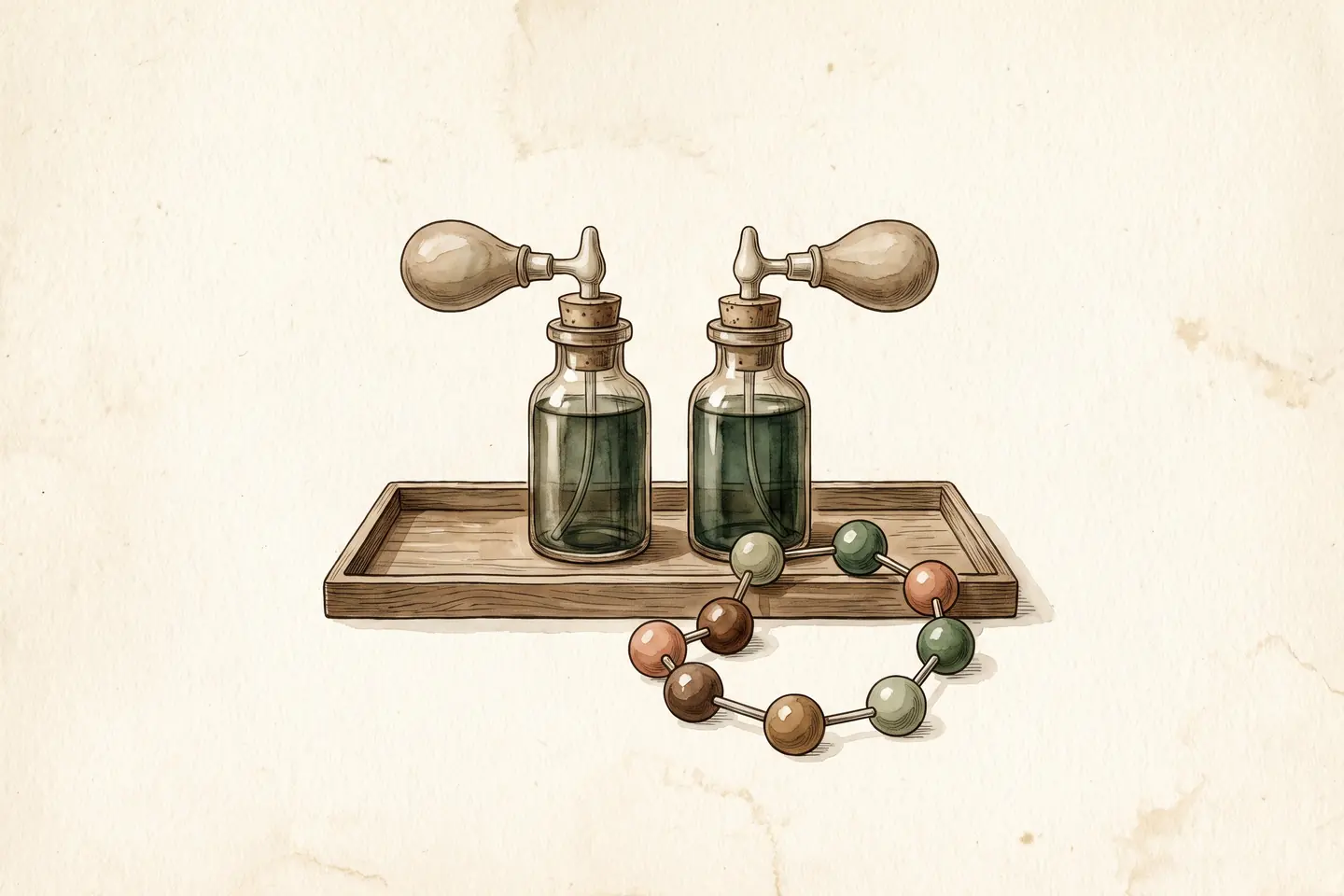
Oxytocin is a nine-amino-acid peptide whose structure includes a disulfide bond between two cysteine residues. Vincent du Vigneaud's research on its chemical synthesis became a landmark in peptide chemistry and was described in his 1955 Nobel lecture. The synthesis work connected a defined amino-acid structure with a peptide that had previously been isolated from biological material.
[Vincent du Vigneaud's Nobel lecture, 1955](https://www.nobelprize.org/uploads/2018/06/vigneaud-lecture.pdf)
Who is this for
Those struggling with social anxiety · People wanting to deepen emotional connections · New mothers supporting lactation · Those with autism spectrum traits · Anyone wanting to reduce stress and feel calmer
Oxytocin price snapshot
In-stock prices from 73 vendors, checked Oct 14, 2026.
- Vendors
- 73
- Listings
- 88
- Observed range
- $10–$125
Market evidence
Oxytocin product testing and COAs
We found certificates from some of the Oxytocin vendors we track. Based on the certificates our crawler found; vendors may publish more than we index. Research on this page describes the molecule. Vendor certificates concern particular market samples or batches; they do not change the research evidence or establish clinical safety, sterility, or suitability for use.
Oxytocin research
The clinic network
Want a clinician's view on Oxytocin?
Request a free connection to a peptide clinic, by telehealth or in person. A licensed clinician decides whether any treatment is right for you. What peptide therapy involves
Related Peptides
Kisspeptin-10
THE FERTILITY IGNITERBGoodSexual & Reproductive Health · Hormonal RegulationHealing · Sexual & Reproductive HealthDose100 mcg↻CycleNo clinically established cycle for this regimen◷Kicks inHormone response within minutes to hours of...Master hormone regulator for fertility and libido
from $2/mg · 159 vendorsNº 001 / 006Libidon
THE PROSTATE PROTECTORAHighHormonal Regulation · Sexual & Reproductive HealthLongevity · Hormonal RegulationDoseSee guide↻CycleNo established SubQ dosing cycle.◷Kicks inHormone balance improvements may take 2-4...Support prostate health and hormone balance naturally
Full profileNº 002 / 006Testagen
THE HORMONAL OPTIMIZERAHighHormonal Regulation · Sexual & Reproductive HealthMetabolic · Hormonal RegulationDose1 mg↻Cycle4 weeks on, 12 weeks off◷Kicks inHormonal changes may be measurable within...Optimize your pituitary for testosterone and thyroid support
from $1.79/mg · 28 vendorsNº 003 / 006Testoluten
THE TESTOSTERONE RESTORERAHighSexual & Reproductive Health · Hormonal RegulationHealing · Sexual & Reproductive HealthDoseSee guide↻CycleNo established SubQ dosing cycle.◷Kicks inTestosterone improvements may be noticeable...Restore testicular function and natural testosterone
Full profileNº 004 / 006Triptorelin
THE HORMONE CONTROLLERBGoodHormonal Regulation · Sexual & Reproductive HealthLongevity · Hormonal RegulationDoseSee guide↻CycleNo established SubQ dosing cycle.◷Kicks inInitial hormone flare in first 1-2 weeks,...Medical-grade hormone control for serious conditions
from $7.87/mg · 11 vendorsNº 005 / 006Zhenoluten
THE OVARIAN RESTORERBGoodSexual & Reproductive Health · Hormonal RegulationLongevity · Sexual & Reproductive HealthDoseSee guide↻CycleNo established SubQ dosing cycle.◷Kicks inHormonal improvements typically noticed...Restore ovarian function and hormonal balance naturally
Full profileNº 006 / 006