The Peptide AppThe Peptide App

The Peptide AppField Guide · Healing SeriesSpecimen No. 10

Healing Category

Kisspeptin-10

THE FERTILITY IGNITER

Metastin

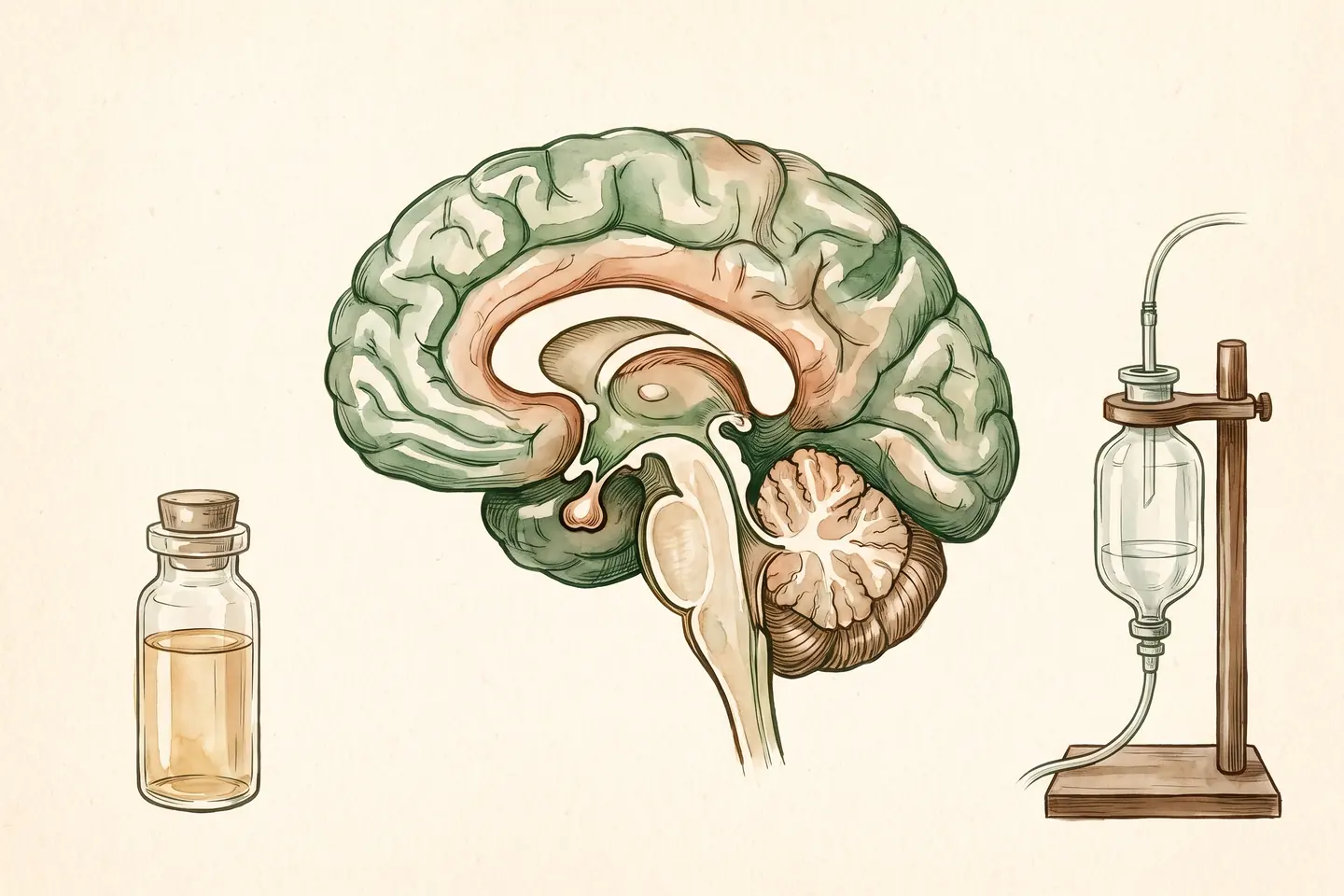
Kisspeptin is the master switch for your reproductive hormone system. It triggers GnRH release from the hypothalamus, which then causes release of LH and FSH, ultimately controlling testosterone and estrogen. It's being studied for fertility treatments and may enhance libido and sexual function.

Kisspeptin-10
Kisspeptin-10
Kisspeptin-10

Kisspeptin-10 Evidence Snapshot

How these guides are reviewed
Regulatory status
Not FDA approved · research use only
Dosing guidance
Reviewed by our clinical team
Linked evidence
7 research sources
Content updated
May 8, 2026

Dose and schedule recommendations shown below come from The Peptide App Clinical Team. Research links are provided so readers can inspect the supporting evidence directly. Review the sources.

Quick Answers About Kisspeptin-10

Is Kisspeptin-10 FDA approved?

No. This profile records Kisspeptin-10 as not FDA approved and for research use only.

More context

Review the regulatory and source details on this page for the current context.

What dose does The Peptide App Clinical Team recommend for Kisspeptin-10?

Dose: Research dosing varies - typically 1-10 nmol/kg.

More context

Schedule: daily. Cycle: Acute dosing for hormone stimulation. This is clinical-team guidance for reference and does not replace individualized instructions from a licensed clinician.

What research supports this Kisspeptin-10 guide?

This guide links to 7 curated or current research sources.

More context

Open the research section to inspect the source titles, publication details, study types, and available abstracts directly.

Review the Kisspeptin-10 research sources

Studied Effects & Mechanisms

GnRH Trigger

Activates hypothalamic neurons to release GnRH

LH/FSH Surge

Causes pituitary to release luteinizing and follicle-stimulating hormones

Libido Enhancement

May influence sexual behavior pathways in the brain

Clinical & Research Context

Those with fertility issues
People wanting natural hormone optimization
Anyone interested in libido enhancement
Researchers studying reproductive hormones
Those with hypogonadism

Research-Market Price Snapshot

A compact market signal for this profile. The dedicated pricing page owns vendor, vial-size, and price-per-mg comparisons.

Updated Jul 16, 2026

Vendors
39
Listings
44
Observed range
$19$109
Compare all Kisspeptin-10 prices →

Kisspeptin-10 Research

Live PubMed intelligence from the research crawler

PMID 40384564HumanRelevance 79Extracted

AIMS: Cerebral aneurysms (CAs) are a prevalent brain condition with poorly understood pathological features. The Kisspeptin-10 (KP-10)/G protein-coupled receptor 54 (GPR54) system is a vital neuroendocrine pathway primarily implicated in the regulation of reproductive functions and energy metabolism. This research explores the role of the KP-10/GPR54 system in CAs. MATERIALS AND METHODS: Serum levels of KP-10 in CA patients and animal models were assessed using commercial ELISA kits. Mice were divided into five groups: WT, GPR54-/-, CA, CA + KP-10, and CA + GPR54-/- + KP-10. The CA profiles were evaluated using Verhoeff-van Gieson staining. Human brain microvascular endothelial cells (HBMVECs) were stimulated with Ang II (10-7 mol/L) with or without KP-10 (50, 100 nM). Angiogenic tube formation was then assessed. RESULTS: We found that KP-10 levels were reduced in both CA patients and mouse models. In CA mice, Gpr54 expression in the Circle of Willis (COW) was also decreased. KP-10 reduced CA size in wild-type mice, but not in Gpr54 knockout mice. It also reduced matrix metalloproteinase-9 (MMP-9), macrophage infiltration, and vascular endothelial growth factor-A (VEGF-A) expression, effects that were absent in Gpr54 knockout mice. In vitro, KP-10 inhibited Ang II-induced proliferation, angiogenic tube formation, and VEGF-A expression in HBMVECs by reducing early growth response-1 (Egr-1). These effects were abolished when Gpr54 was knocked down, indicating that KP-10's action is dependent on Gpr54. CONCLUSION: This study shows that KP-10 binding to Gpr54 inhibits Egr-1 expression, thereby suppressing MMP-9 and VEGF-A, reducing macrophage infiltration and angiogenesis, and preventing cerebral aneurysm development. Thus, the KP-10/Gpr54 system is a key therapeutic target for the treatment of cerebral aneurysms.

Dosing evidenceEfficacy evidence
PMID 28676533HumanRelevance 78Extracted

Kisspeptin-10 inhibits OHSS by suppressing VEGF secretion.

Reproduction (Cambridge, England) · Oct 1, 2017

The aim of the present study was to elucidate the effects of kisspeptin-10 (Kp-10) on ovarian hyperstimulation syndrome (OHSS) and its related mechanism in OHSS rat models, human umbilical vein endothelial cells (HUVECs) and human luteinized granulosa cells. OHSS is a systemic disorder with high vascular permeability (VP) and ovarian enlargement. KISS1R (KISS1 receptor) is the specific receptor of kisspeptin. The kisspeptin/KISS1R system inhibits the expression of vascular endothelial growth factor (VEGF), which is the main regulator of VP. In our study, decreased expression of Kiss1r was observed in both ovaries and lung tissue of OHSS rats. Injection of exogenous Kp-10 inhibited the increase of VP and VEGF while promoting the expression of Kiss1r in both the ovarian and lung tissue of OHSS rats. Using HUVECs, we revealed that a high level of 17-β estradiol (E2), a feature of OHSS, suppressed the expression of KISS1R and increased VEGF and nitric oxide (NO) through estrogen receptors (ESR2). Furthermore, KISS1R mRNA also decreased in the luteinized human granulosa cells of high-risk OHSS patients, and was consistent with the results in rat models and HUVECs. In conclusion, Kp-10 prevents the increased VP of OHSS by the activation of KISS1R and the inhibition of VEGF.

Efficacy evidence
PMID 30046307HumanRelevance 78Extracted

In human, no studies are available regarding changes in kisspeptin1 receptor (KISS1R) sensitivity during pubertal transition. In this study, healthy boys were classified into 5 Tanner stages of puberty (n = 5/stage). Human kisspeptin-10 was administered to boys at each Tanner stage and to adult men (n = 5) as an IV bolus for comparison. Serial blood samples were collected for 30 min pre- and 120 min post-kisspeptin injection periods at 30 min interval for measuring plasma LH and testosterone levels. There was insignificant effect of kisspeptin on LH and testosterone levels in boys of Tanner stages I-III. At Tanner stage IV, the effect of kisspeptin on plasma LH was insignificant. However, a paired t-test on a log-transformed data showed a significant (P < 0.05) increase in mean peak post-kisspeptin testosterone level. In Tanner stage V, a significant (P < 0.05) increase was observed in mean post-kisspeptin peak LH level as compared to the mean basal LH value. Post-kisspeptin plasma testosterone levels were also significantly (P < 0.05) increased as compared to the pre-kisspeptin level in Tanner stage V. Our data suggest that sensitivity of KISS1R on GnRH neurons with reference to LH stimulation in boys develops during the later part of puberty reaching to adult level at Tanner stage V. This trial is registered with WHO International Clinical Trial Registration ID NCT03286517.

Efficacy evidence
PMID 30590872HumanRelevance 77Extracted

The present study was designed to assess the responsiveness of hypothalamic-pituitary-gonadal axis to kisspeptin administration with increasing age in men. Human kisspeptin-10 was administered in single iv bolus dose (1 µg/kg BW) to healthy adult, middle and advanced age men. Serial blood samples were collected for 30 min pre- and 120 min post-kisspeptin injection periods at 30-min interval. Analysis of plasma LH by ELISA showed a significant (p < 0.05) increase after kisspeptin-10 administration in all groups, whereas plasma testosterone concentration was significantly elevated (p < 0.05) after kisspeptin-10 injection only in the adult men group. Present results suggest that in men, central hypothalamic-pituitary axis remains active and shows responsiveness to kisspeptin stimulation across life. However, Leydig cell responsiveness to kisspeptin-induced LH decreases with age in men.

Dosing evidenceEfficacy evidence
PMID 40400312AnimalRelevance 74

In Osteoarthritis (OA), the senescence of chondrocytes plays a pivotal role, contributing to cartilage degradation and impairing tissue repair mechanisms. (Kp-10), a peptide hormone, exerts diverse biological functions across multiple cell types and tissues via its receptor Gpr54. However, its role in chondrocytes and OA has been understudied. This study investigates the role of Kp-10 in mitigating TNF-α- induced senescence in primary chondrocytes, a hallmark of OA pathogenesis. Gpr54 expression was confirmed in both primary chondrocytes and the ATDC5 chondrogenic cell line, with TNF-α treatment leading to a dose-dependent decrease in Gpr54 expression. Kp-10 treatment at concentrations of 50 and 100 nM effectively ameliorated TNF-α-induced senescence, as evidenced by diminished senescence-associated β-galactosidase staining and enhanced telomerase activity. Moreover, Kisspeptin-10 modulated the expression of key regulators involved in cellular aging, including hTERT and TERF2, and suppressed the activation of the p53/p21 pathway. Notably, Kp-10 restored SIRT1 expression, which was downregulated by TNF-α. Silencing SIRT1 abolished the protective effects of Kp-10, highlighting the essential role of SIRT1 in its anti-senescence action. These findings suggest that Kp-10 may be a promising therapeutic strategy for OA by mitigating chondrocyte senescence and improving cellular function by modulating the SIRT1 and p53/p21 pathways.

PMID 26089302HumanRelevance 74Extracted

STUDY QUESTION: How potently does the novel hypothalamic stimulator of reproduction, kisspeptin, increase gonadotrophin secretion when compared with GnRH in healthy men? SUMMARY ANSWER: At the doses tested, intravenous administration of either of two major kisspeptin isoforms, kisspeptin-10 and -54, was associated with similar levels of gonadotrophin secretion in healthy men; however, GnRH was more potent when compared with either kisspeptin isoform. WHAT IS KNOWN ALREADY: Kisspeptin-10 and -54 are naturally occurring hormones in the kisspeptin peptide family which potently stimulates endogenous GnRH secretion from the hypothalamus, so have the potential to treat patients with reproductive disorders. Rodent studies suggest that kisspeptin-54 is more potent when compared with kisspepitn-10; however, their effects have not previously been directly compared in humans, or compared with direct pituitary stimulation of gonadotrophin secretion using GnRH. STUDY DESIGN, SIZE AND DURATION: A single-blinded placebo controlled physiological study was performed from January to December 2013. Local ethical approval was granted, and five participants were recruited to each dosing group. PARTICIPANTS/MATERIALS, SETTING, METHODS: Healthy men were administered vehicle, kisspeptin-10, kisspeptin-54 and GnRH intravenously for 3 h on different study days. Each hormone was administered at 0.1, 0.3 and 1.0 nmol/kg/h doses (n = 5 subjects per group). Regular blood sampling was conducted throughout the study to measure LH and FSH. Study visits were conducted at least a week apart. MAIN RESULTS AND THE ROLE OF CHANCE: Serum LH and FSH levels were ∼3-fold higher during GnRH infusion when compared with kisspeptin-10 and ∼2-fold higher when compared with kisspeptin-54 [mean area under the curve serum LH during infusion (in hours times international units per litre, h.IU/l): 10.81 ± 1.73, 1.0 nmol/kg/h kisspeptin-10; 14.43 ± 1.27, 1.0 nmol/kg/h kisspeptin-54; 34.06 ± 5.18, 1.0 nmol/kg/h GnRH, P < 0.001 versus kisspeptin-10, P < 0.01 versus kisspeptin-54]. LIMITATIONS, REASONS FOR CAUTION: This study had a small sample size. WIDER IMPLICATIONS OF THE FINDINGS: Kisspeptin offers a novel means of stimulating the reproductive axis. Our data suggest that kisspeptin stimulates gonadotrophin secretion less potently when compared with GnRH; however, kisspeptin may stimulate gonadotrophins in a more physiological manner when compared with current therapies. Kisspeptin is emerging as a future therapeutic agent, so it is important to establish which kisspeptin hormones could be used to treat patients with infertility. Results of this study suggest that either isoform has similar effects on reproductive hormone secretion in healthy men when administered intravenously. STUDY FUNDING/COMPETING INTERESTS: This work is funded by grants from the MRC and NIHR and is supported by the NIHR Imperial Biomedical Research Centre Funding Scheme. C.N.J. is supported by an NIHR Clinical Lectureship. A.A. is supported by Wellcome Trust Research Training Fellowships. A.N.C. is supported by Wellcome Trust Translational Medicine Training Fellowship. W.S.D. is supported by an NIHR Career Development Fellowship.

Dosing evidenceEfficacy evidence

Related Peptides

Libidon

THE PROSTATE PROTECTOR
AHigh
Hormonal Regulation · Sexual & Reproductive HealthLongevity · Hormonal RegulationDoseSee guideCycle10-20 days on, 3-6 months breakKicks inHormone balance improvements may take 2-4...

Support prostate health and hormone balance naturally

Full profileNº 001 / 006

Oxytocin

THE BONDING HORMONE
BGood
Mood Regulation · Anxiety ManagementCognitive · Mood RegulationDoseSee guideCycle4 weeks on, 4 weeks offKicks inCalming effects often felt within 20-30...

The bonding hormone for connection, trust, and calm

from $3/mg · 40 vendorsNº 002 / 006

Testagen

THE HORMONAL OPTIMIZER
AHigh
Hormonal Regulation · Sexual & Reproductive HealthMetabolic · Hormonal RegulationDoseSee guideCycle4 weeks on, 12 weeks offKicks inHormonal changes may be measurable within...

Optimize your pituitary for testosterone and thyroid support

from $1.60/mg · 13 vendorsNº 003 / 006

Testoluten

THE TESTOSTERONE RESTORER
AHigh
Sexual & Reproductive Health · Hormonal RegulationHealing · Sexual & Reproductive HealthDoseSee guideCycle4 weeks on, 12 weeks off (repeat every 3-6...Kicks inTestosterone improvements may be noticeable...

Restore testicular function and natural testosterone

Full profileNº 004 / 006

Triptorelin

THE HORMONE CONTROLLER
BGood
Hormonal Regulation · Sexual & Reproductive HealthLongevity · Hormonal RegulationDoseSee guideCycle3+ months (medical supervision required)Kicks inInitial hormone flare in first 1-2 weeks,...

Medical-grade hormone control for serious conditions

from $14.98/mg · 6 vendorsNº 005 / 006

Zhenoluten

THE OVARIAN RESTORER
BGood
Sexual & Reproductive Health · Hormonal RegulationLongevity · Sexual & Reproductive HealthDoseSee guideCycle4 weeks on, 12 weeks offKicks inHormonal improvements typically noticed...

Restore ovarian function and hormonal balance naturally

Full profileNº 006 / 006