
Progress Tracking / July 7, 2026
Zepbound 2.5 mg Weight Fluctuation: Tracking Checklist
If your weight is bouncing around on Zepbound 2.5 mg, do not treat every daily weigh-in as a verdict on whether the medication is working. Build a simple record instead: dose dates, weekly average weight, appetite notes, side effects, food or training changes, reminders, and the specific questions to bring to your prescriber before any dose change.
Educational, not medical advice. The Peptide App can help organize a tracking workflow, but dose escalation, pauses, side-effect care, and treatment expectations belong with your prescriber.
Short Answer
Track the pattern before you judge the week.
A recent Reddit question came from someone about four weeks into Zepbound 2.5 mg who lost quickly at first, then started losing and regaining the same few pounds before a planned move to 5 mg. That is a common search intent: people want to know whether a short plateau or yo-yo pattern means the starter dose is failing.
The safer public answer is not to predict what dose you need. It is to make the pattern visible enough for a good prescriber conversation. Daily scale movement can reflect hydration, sodium, digestion, training soreness, cycle timing, travel, missed meals, and measurement noise. A weekly trend plus notes gives you something better than panic-refreshing the scale.
If you are also dealing with coverage changes, refills, or access anxiety, pair this with the Zepbound insurance loss checklist. If this is part of a larger peptide or GLP-1 protocol, the protocol tracking guide shows how to keep dose logs, reminders, symptoms, and outcome notes in one place.
What To Log
Five fields that make a Zepbound 2.5 mg trend easier to read.
Dose date and dose strength
Record the injection date, labeled strength, and any prescriber instructions you were given for the next appointment. Keep it factual. Do not add internet-sourced dose plans as if they were instructions.Weekly average weight, not only daily weight
Daily weigh-ins can be noisy. A weekly average or a consistent weekly check-in gives your trend more context and makes it easier to explain what actually changed.Appetite, fullness, and cravings in plain words
Note whether hunger, fullness, cravings, meal size, or food noise changed. Keep the notes short enough that you will actually maintain them.Side effects and tolerability
Log nausea, constipation, diarrhea, fatigue, reflux, injection site issues, or other changes you plan to ask about. If symptoms are severe, persistent, or concerning, contact a medical professional instead of waiting for a tracking pattern.Context that can move the scale
Capture travel, workouts, menstrual-cycle timing, sodium-heavy meals, hydration changes, illness, sleep disruption, or missed routines. Those notes can explain a few pounds of movement better than dose speculation can.
Build the log before your next dose conversation.
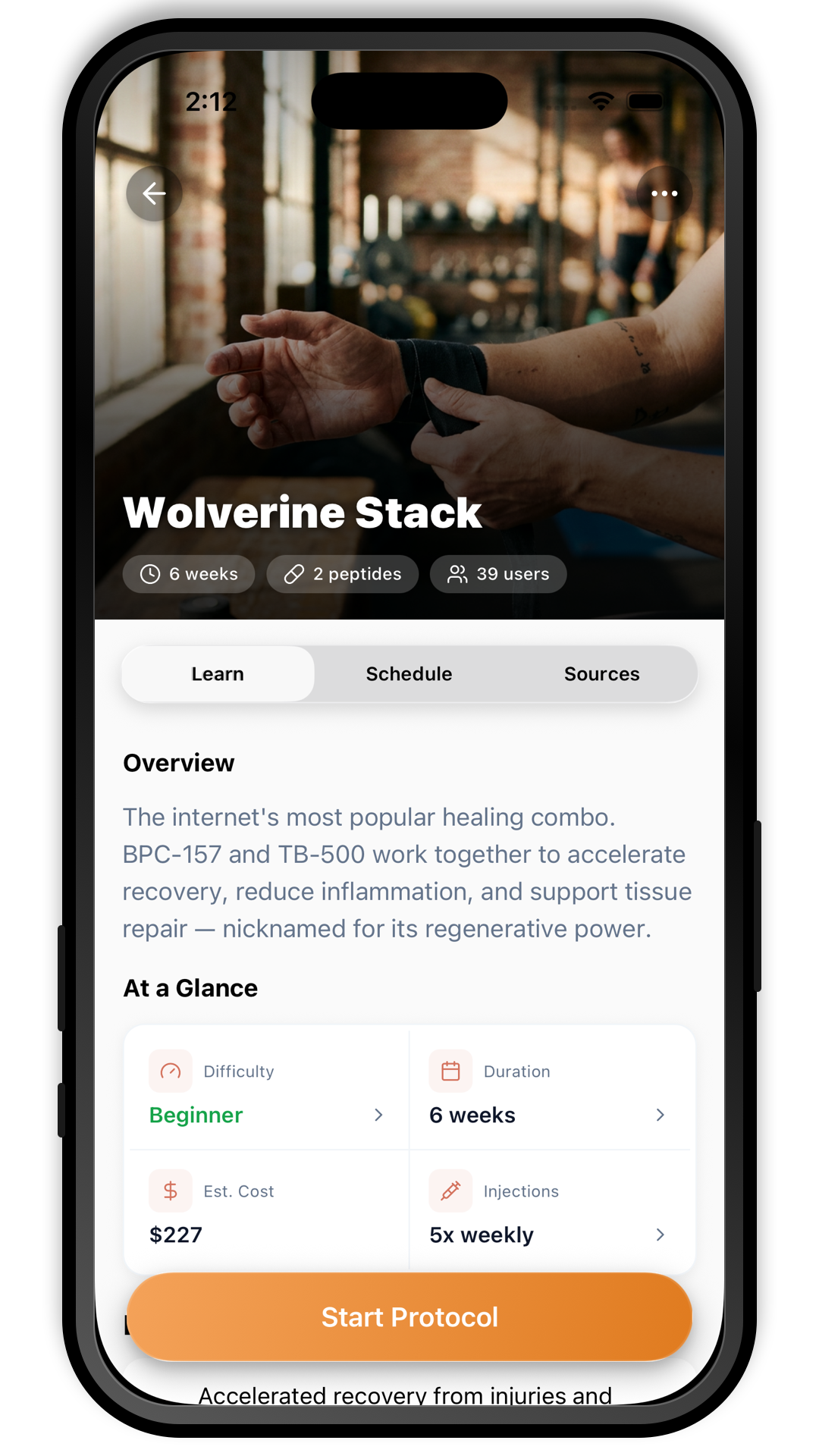
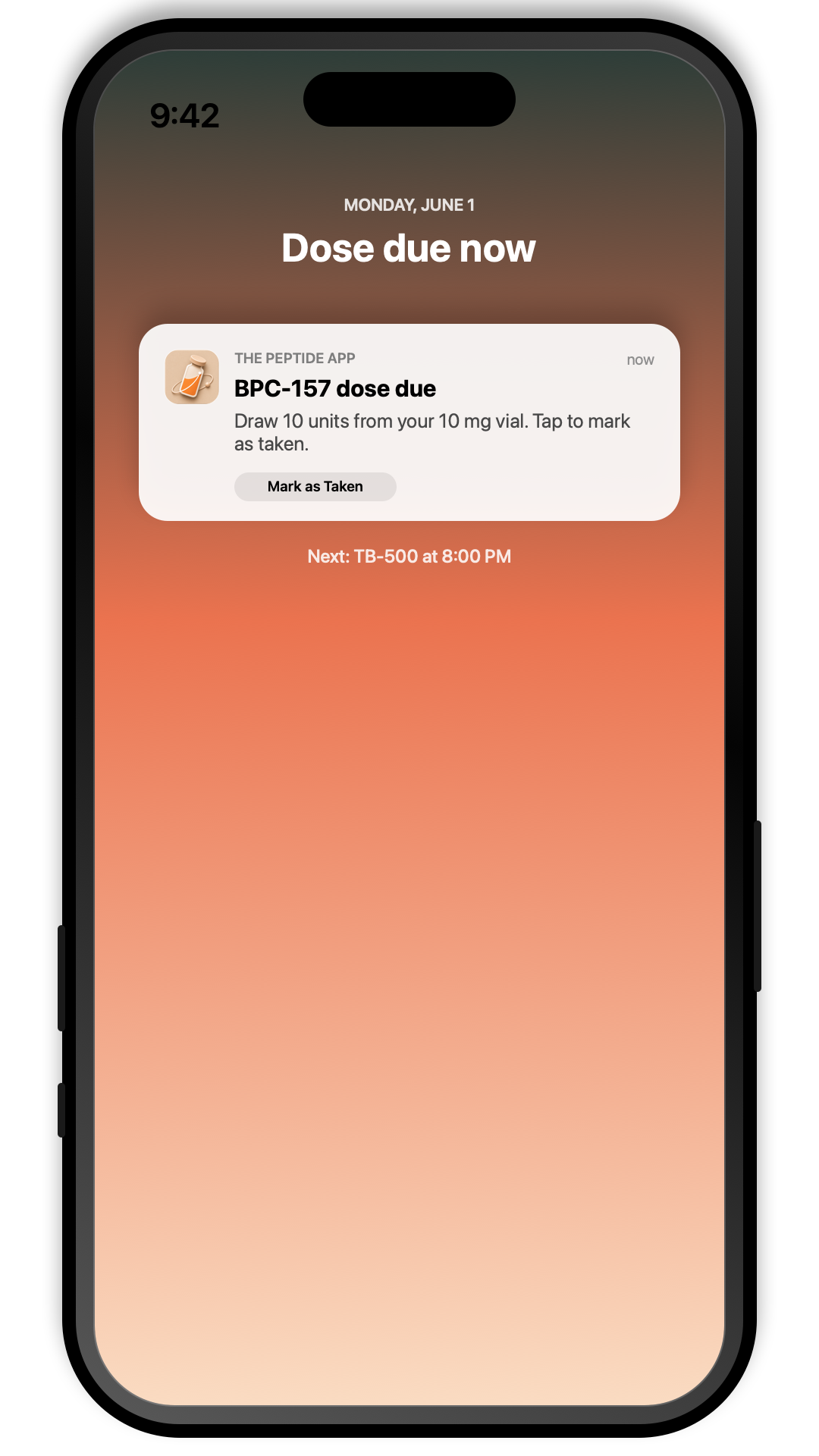
The Peptide App can help you keep dose dates, reminders, notes, and follow-up questions organized so the next appointment starts from a clear record instead of scattered screenshots and scale anxiety.
Download The Peptide AppDose Changes
Separate the tracking question from the prescribing question.
The Reddit post included nervousness about moving from 2.5 mg to 5 mg. That decision should be handled with the clinician who knows the prescription, timing, side effects, contraindications, and treatment goals. The app-side job is to make sure the conversation is not vague.
Before the appointment, write down what happened across the last few weeks: how many doses you took, whether any doses were late, the weekly weight averages, tolerability notes, appetite changes, and what you are worried might happen after a change. That is much more useful than asking the internet whether one short stall means you should increase.
Good prescriber questions are specific: "What trend should I expect before we reassess?", "Which side effects should prompt a call?", "What should I do if my next dose is delayed?", and "How should I distinguish normal fluctuation from a reason to change the plan?"
Review Cadence
Use a repeatable check-in instead of a scale spiral.
Choose a review cadence you can repeat: same scale, similar time of day, similar clothing, and a short note afterward. The goal is not to make the scale emotionally neutral overnight. It is to make your record consistent enough that a single day does not overwrite the bigger picture.
In The Peptide App, create a protocol note for the current prescription, add reminders for dose timing and check-ins, then add short outcome notes after each week. Keep the language boring and factual: date, dose, weight trend, appetite, side effects, routine changes, and open questions.
If the trend keeps worrying you, the log is still useful. It gives your prescriber a cleaner starting point for deciding whether the current plan is on track, whether the timing needs adjustment, or whether symptoms or expectations need a deeper review.
Bottom Line
A short plateau is a reason to organize the record, not improvise.
Zepbound 2.5 mg weight fluctuation can feel discouraging when the first weeks moved quickly. The practical next step is to track the signal you can control: consistent dose logs, weekly trend notes, side-effect context, reminders, and prescriber questions.
Bring that record to the person managing the medication. They can interpret the trend with your health history and prescription plan; the app can help make sure the facts are ready when that conversation happens.

The Peptide App
Track protocols, doses, and reconstitution in one place.
Save your calculations, set reminders, log doses, and keep outcome notes — free to start.
 or scan the QR code →