
Refill Planning / July 4, 2026
Zepbound Insurance Loss: Stock-Up Records Checklist
If you are about to lose insurance and wondering whether to stock up on Zepbound, do not start with internet dose-splitting tactics. Start with your prescriber and pharmacist, then build a written record of refill dates, product form, storage instructions, expiration dates, reminders, and questions you need answered before changing anything.
Educational, not medical or legal advice. The Peptide App can help organize your plan and reminders, but it cannot decide whether a prescription change is lawful, sterile, covered, affordable, or clinically appropriate.
Short Answer
Treat the insurance gap as a planning workflow, not a workaround.
A recent Reddit question asked whether it was okay to stock up on Zepbound before losing insurance, including whether a higher-dose prescription could be stretched into smaller doses. That is exactly the kind of situation where a written checklist helps, because the important answer depends on the prescription, product format, sterility limits, storage requirements, insurance rules, and what the prescriber and pharmacist are willing to document.
The safe public answer is not a how-to. It is to collect the facts, ask the right people, and avoid changing the medication format, dose, device, or schedule based on social media. If a plan involves splitting, transferring, storing opened medication, or using a product differently than labeled, treat that as a professional follow-up question before it becomes a routine.
If your main concern is storage time, pair this with the long-term storage checklist. If the insurance issue overlaps with a trip or schedule change, the travel planning guide covers the same recordkeeping habit in a simpler setting.
Keep refill dates, storage notes, and reminders together
Build a plan you can review with your prescriber or pharmacist before insurance coverage changes.
Records
What to write down before your coverage changes.
Insurance loss creates urgency, and urgency is where details get fuzzy. Before changing anything, create one record that separates verified facts from open questions.
Coverage deadline
Note the last active insurance date, expected refill window, pharmacy cutoff dates, prior authorization status, and any employer or marketplace transition dates.Exact product form
Record the medication name, dose strength, device type, lot number if available, expiration date, and whether the product is single-use or multi-use according to its label and pharmacy instructions.Prescriber plan
Save what your clinician actually recommended, what is still a question, and whether any suggested change is documented in the prescription or after-visit notes.Pharmacy questions
Ask about storage, first-use limits, device handling, refills, cash-pay alternatives, and whether the pharmacy can explain the difference between product formats without relying on forum advice.Affordability path
Track manufacturer savings cards, cash-pay options, compounded medication discussions, coverage appeals, and appointment dates without treating any one option as interchangeable.
Safety Boundary
Questions that need a prescriber or pharmacist, not a shortcut.
The Reddit thread included concern about whether a higher-dose product could be divided into smaller doses and whether that would remain safe or legal. That is not a good place for a public blog to improvise. Product devices, preservatives, beyond-use timing, sterility, prescription directions, and state rules can all matter.
Put these questions in your app notes and bring them to the person who can answer them for your actual prescription:
Can this exact product be used this way?
Ask using the product name, dose strength, and device type in front of you. Similar-looking GLP-1 products can have different labeling and handling assumptions.What happens after first use or opening?
Ask about the labeled storage window, whether the product is single-use, and what should happen if the device or container is handled outside the original instructions.Is there a documented prescription plan?
If a clinician recommends a bridge strategy, ask for the plan in writing: dates, dose instructions, refill sequence, side-effect monitoring, and when to stop and call.What are the alternatives if coverage ends?
Ask about appeals, cash-pay programs, different medication options, spacing appointments, or pausing safely. Do not assume a workaround is safer just because it is cheaper.
App Workflow
How The Peptide App can support the plan.
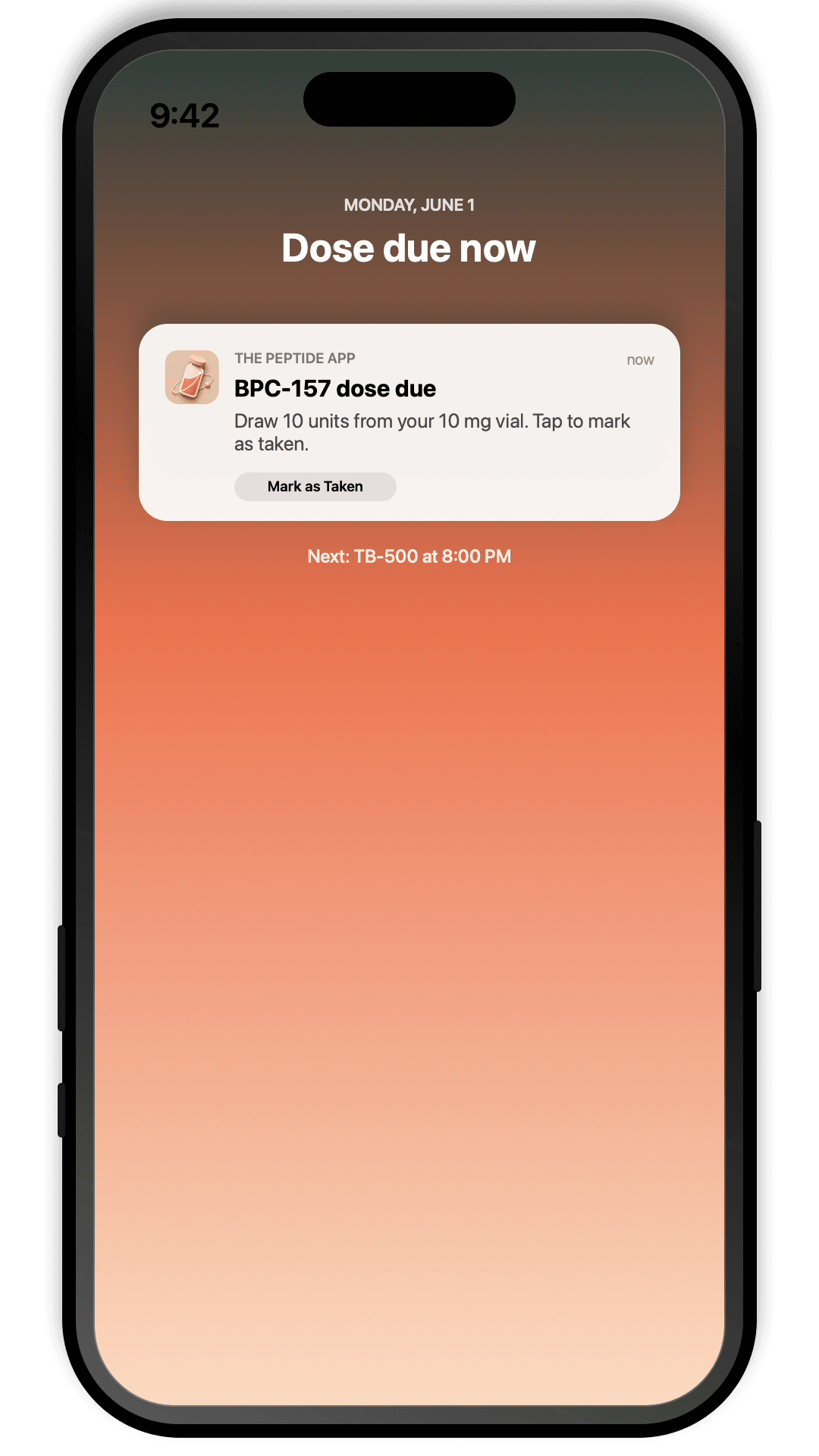
The app is most useful here as a shared memory system. Create a protocol record for the medication, then add refill and insurance notes before the coverage deadline arrives. Keep the schedule separate from unresolved questions so a temporary plan does not become an accidental standing routine.
Create one protocol record
Use the record for medication name, current prescribed dose, start date, refill date, storage notes, and the clinician who owns the plan.Add reminder dates
Set reminders for pharmacy calls, refill windows, insurance appeals, appointment follow-ups, and expiration checks. Give each reminder a clear action, not a vague label.Log what actually happened
Track missed doses, delayed refills, side effects, appetite changes, weight trends, and any period where the plan differed from the original schedule.Export better questions
Before an appointment, review your notes and bring a short list: what coverage changed, what product you have, what you were told, and which parts are still not verified.
For the broader habit, the peptide protocol tracking guide shows how to keep schedule, symptoms, outcomes, and clinician questions in the same workflow.
Bottom Line
A coverage deadline is a reason to get more specific.
Stocking up before insurance loss may be a financial or access question, but it quickly becomes a medication-safety question if the plan involves a different dose strength, device handling, or storage timeline. Keep the record clean: what is prescribed, what is labeled, what is affordable, what is still a question, and who can answer it.
The Peptide App can help you keep that information organized. The final decision belongs with the prescriber, pharmacist, and the rules that apply to your actual prescription.

The Peptide App
Track protocols, doses, and reconstitution in one place.
Save your calculations, set reminders, log doses, and keep outcome notes — free to start.
 or scan the QR code →